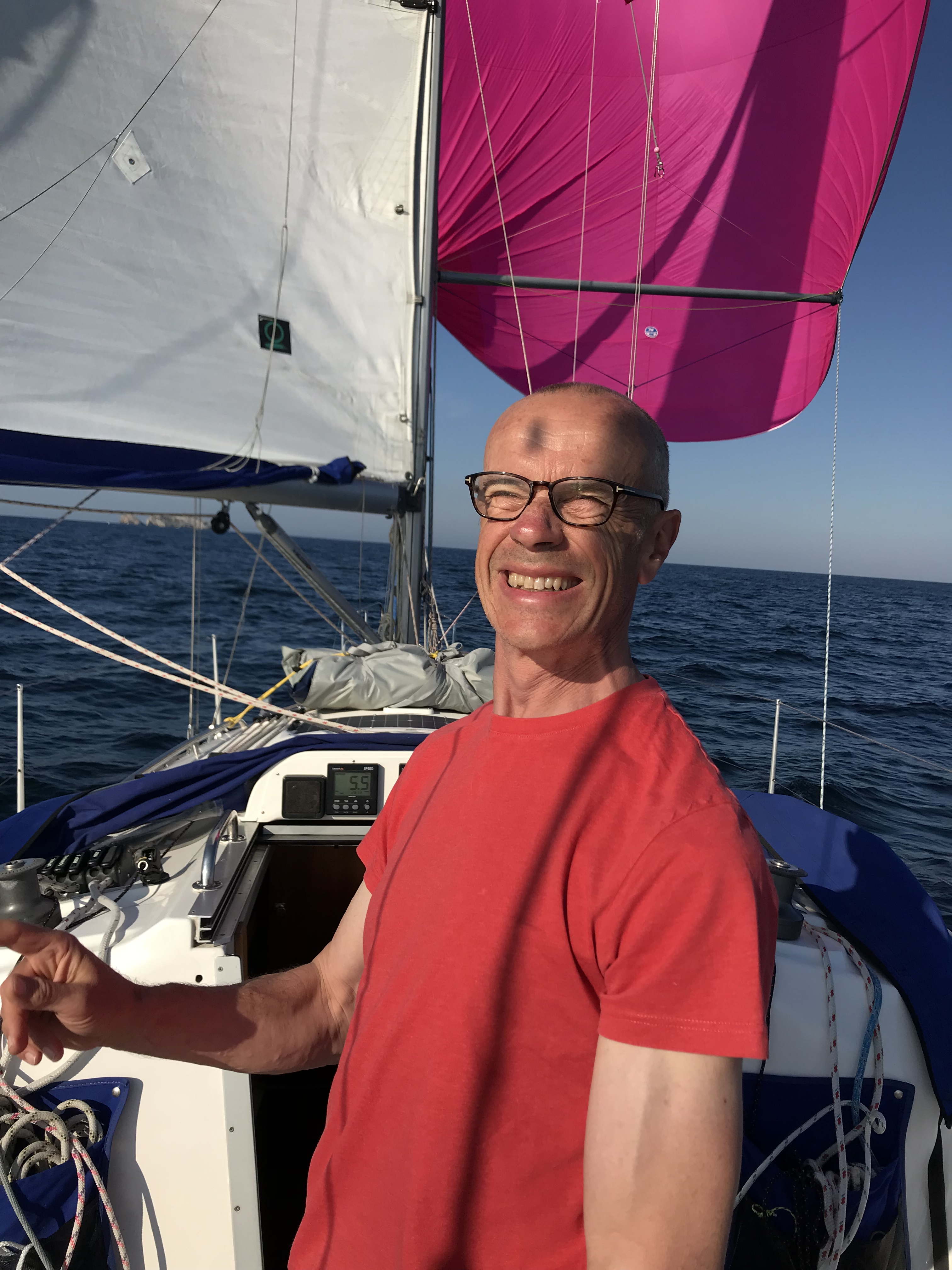
Quite a turn-up for this blog, you might think, with its focus on fish and chips and ice cream. I had not expected to be writing such a title, and especially not in relation to a week sailing down the Aberdeenshire, Angus and Fife coasts. I had names such as Arbroath, St Andrews and Anstruther pencilled into my week, small towns which I expected to deliver the one horse for which they are famous: respectively smokies, a university and another claim to Scotland’s best fish and chip shop, this one corroborated by a wider range of awards even than the blog. None of this was expected to be particularly cultural, so the cultured week came as a very pleasant suprise not just for me but also for two of my more cultured friends, Hugh and Tina, who had signed up for the week and had been warned that they might be slumming it in small towns on a bleak, grey coast.
Stonehaven had already surprised me by its complete absence of bleakness or greyness although I have to admit that it might be a different experience in February when it may not be 25 degrees and sunny every day. A good sign for a candidate for my Top Ten Towns list is that it gets better the longer you stay in it: facing a need to walk off the deep-fried Mars bar I headed south to Dunotter Castle, which had been hyped by Tripadvisor’s recommendation of the third-best thing to do in Aberdeen being to get on a train to Stonehaven and go and see it. I was reminded that I was still in the Land of the Haar but this morning it was less scary as it just made for a dramatic backdrop to the castle:
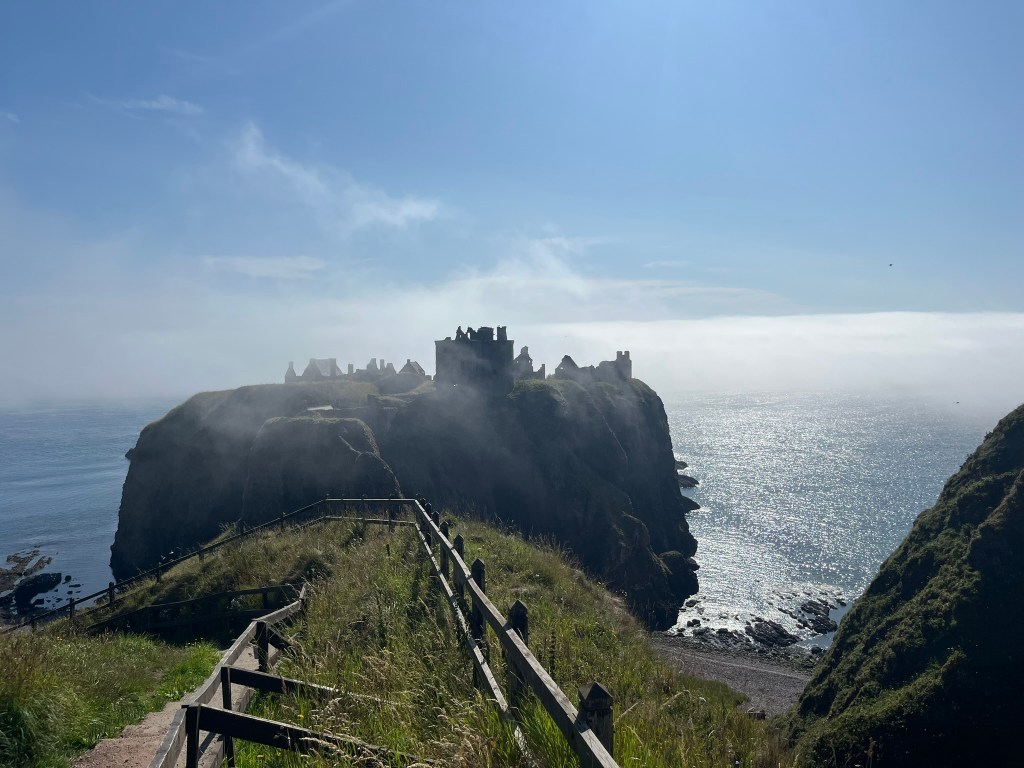
Perched on cliffs overlooking Stonehaven it really is spectacular and well worth the walk from Stonehaven, if not from Aberdeen, although I gather the 226 ‘Covenanters’ who were kept in a small cell for a week or two in Scotland’s answer to the Black Hole of Calcutta may not have agreed.
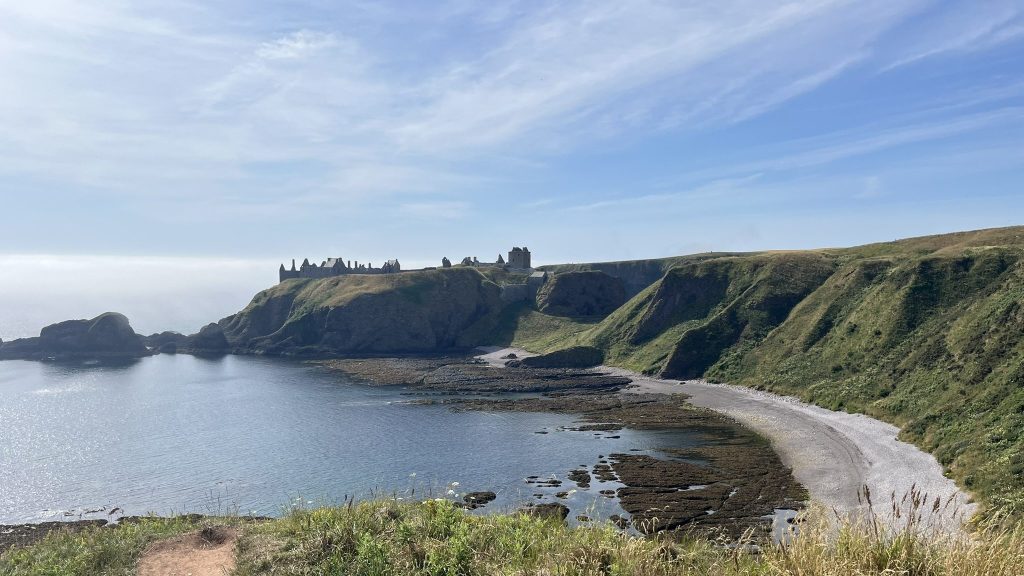
Mind you, crammed into their cell they couldn’t really get the view.
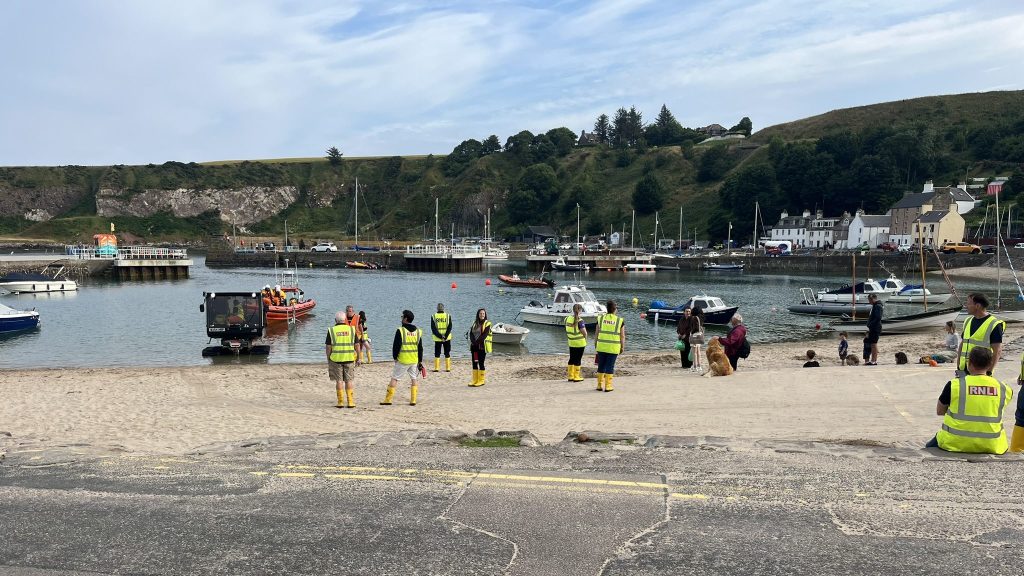
Another of Stonehaven’s excellent features is its daily train service direct from King’s Cross, which delivered Hugh and Tina in time for civilised tea, civilised beer and very civilised seafood dinner in Stonehaven’s oldest building (1600), now a fine restaurant. Things were looking good, even though the un-Scottish heatwave was forecast to come to an end, and I hope this isn’t my last visit to Stonehaven.
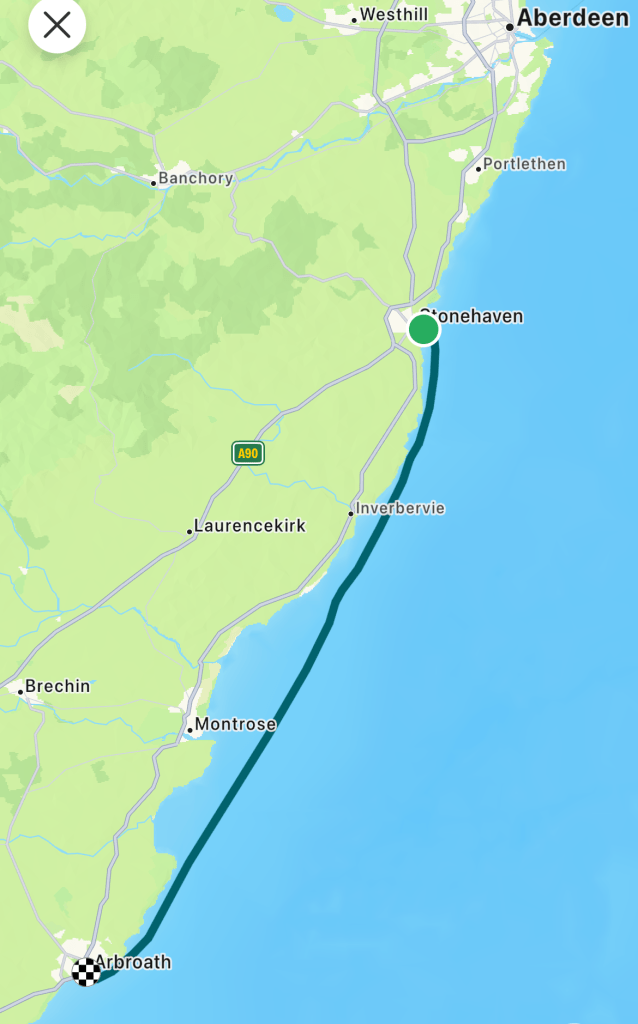
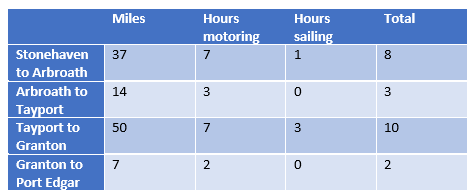
I don’t see why the arty folk should have all the culture, there must be something cultural about gaining a world-wide reputation for putting pairs of haddock in the rafters of your shed and lighting a bonfire underneath, so we duly set course the next day for Arbroath, licking our lips in anticipation of the Smokies to come. The Aberdeenshire coast remained as surprisingly stunning as ever, and the weather joined in on the surprising stakes by not raining as it was supposed to and delivering a wind that eventually we could sail in, luckily not for long.
Why luckily? We had been warned that in addition to Smokies Arbroath is famous for lobster fishing and that the waters off it are a veritable minefield of pot buoys, and as we came within a few miles of the place, now under engine, it took all three of us to keep a lookout and offer a range of views on how best to dodge the upcoming buoys, most of which had annoyingly long ropes which floated on the water just at propellor height.
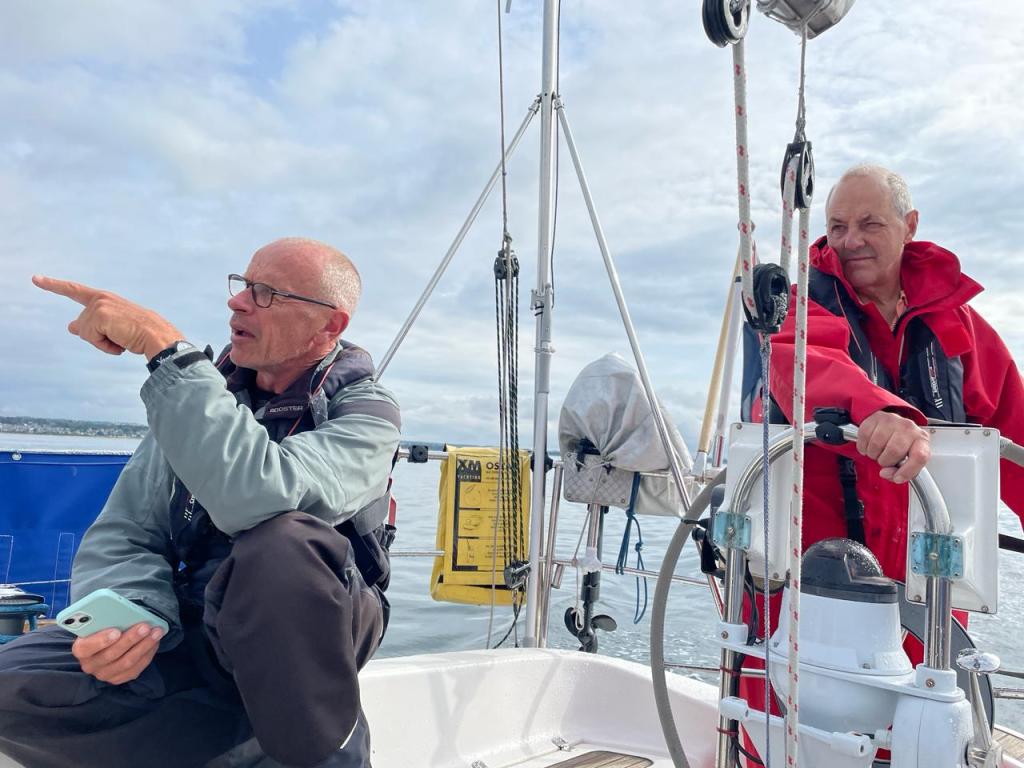
We were doing quite well at this game until Tina suddenly cried “we’ve got one” and sure enough, we were treated to the peculiar if rather scary sight of a pot buoy with flag haring up towards us from behind at 11 knots. I didn’t have to measure its speed and do the maths to work out what had happened: its annoying floating rope was round the keel and now dragging it towards us at double our boat speed. The quickest fling-into-neutral ever and we held our breath as the boat slowed down, so did the buoy, and as it hit the transom it stopped completely with the rope floating around the boat not the propellor. Seconds earlier and it would have been wrapped around the keel with some force; as it was we simply walked the buoy back around the boat, it came free of the keel and we reversed out breathing huge sighs of relief.
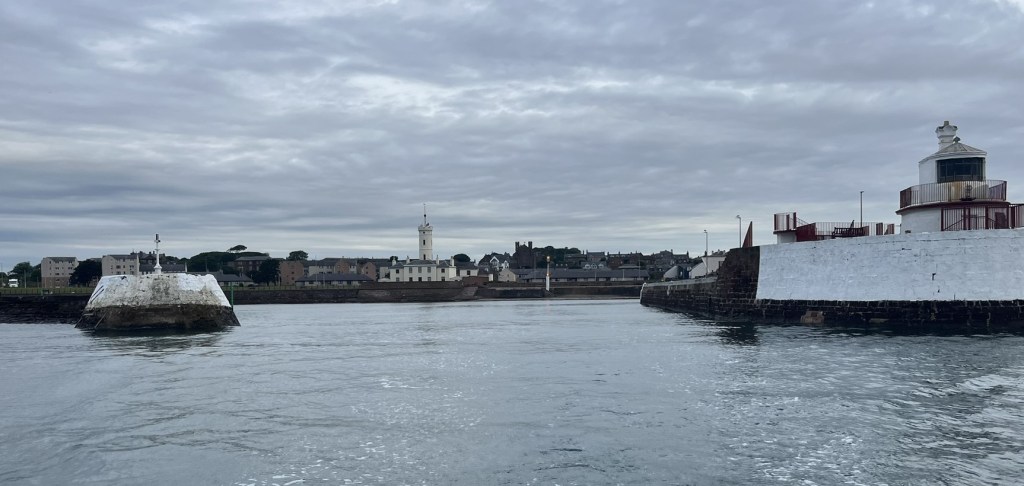
We’d left Stonehaven at a most un-cultured hour so as to avoid a forecast of fog; now we found the side-benefit: not only was there no fog but we arrived at Arbroath before the Smokie shops shut. Waiting in the outer harbour for the half-tide lock gate to open, Hugh’s hard-wired foodie dedication impressed even the harbourmaster as he was off up a slimy ladder and belting smokiewards before I had switched off the engine.
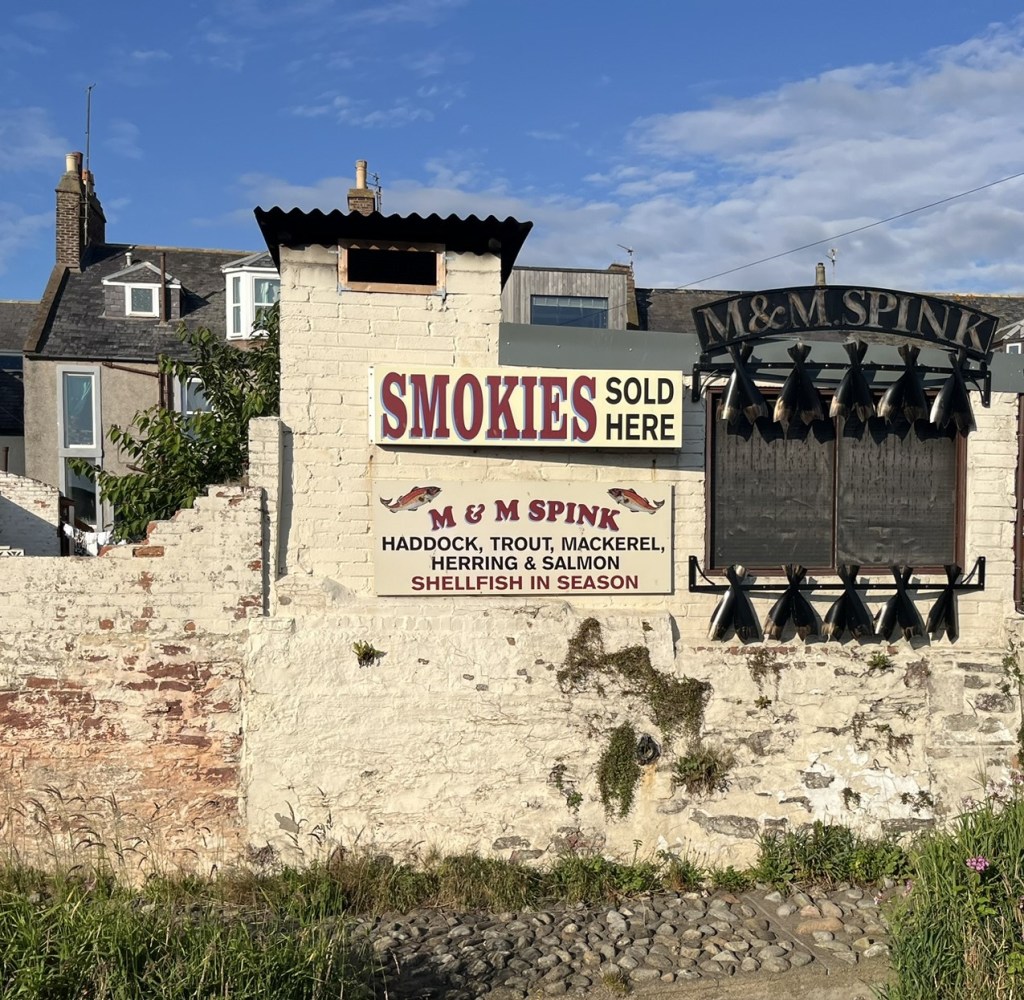
Luckily the King of Arbroath’s shop overlooks the harbour, and the gentle aroma of smoking fish confirmed that we were in the right place.
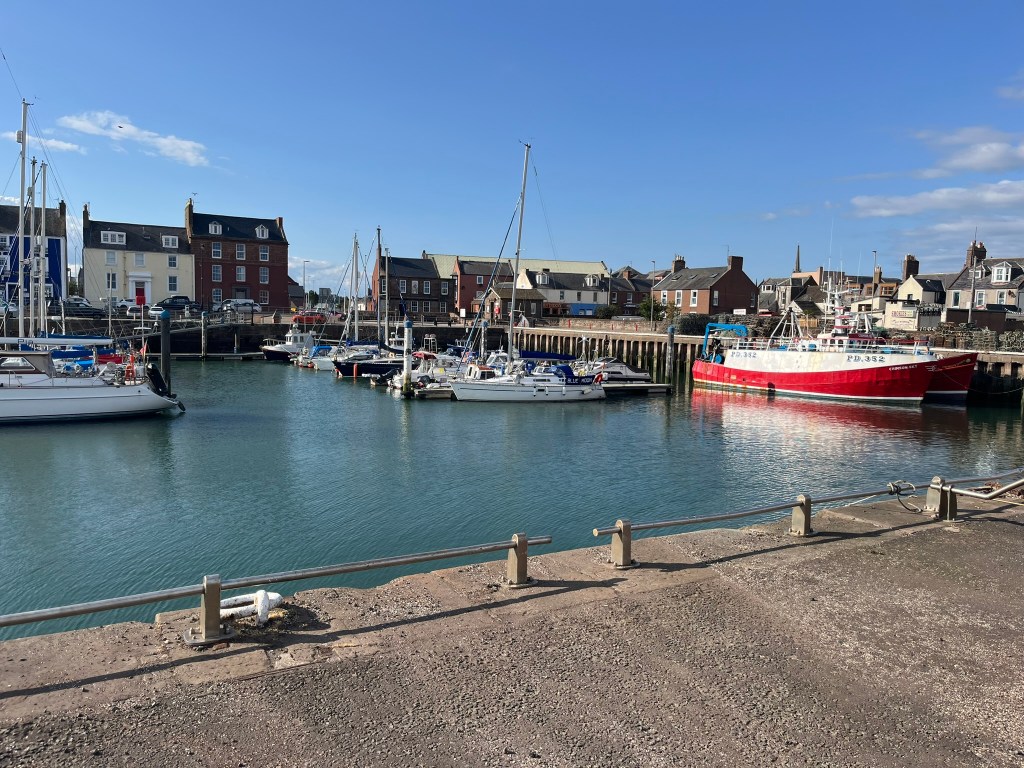
Arbroath is not Stonehaven, but it did have a half-decent fish restaurant with views of the Bell Rock lighthouse, a pleasantly authentic ice cream and fish and chip shop and a welcoming pub where we were entertained by the skipper of the local tripper boat who had, apparently, been astonished earlier to see a yacht visiting Arbroath. We’d been recommended to this pub by the assistant harbourmaster, who told us that he had recommended it to a visitor a week back, and then enquired next morning whether it had lived up to expectations. “It was excellent”, the visitor apparently replied, “I got completely pissed.” Which, we agreed, was as good a recommendation as a pub could ask for.
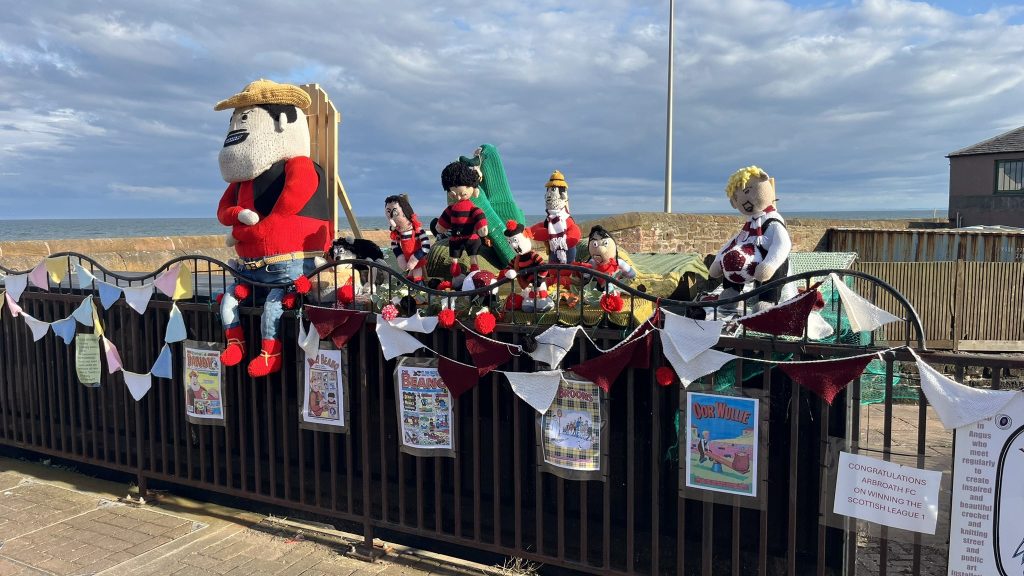
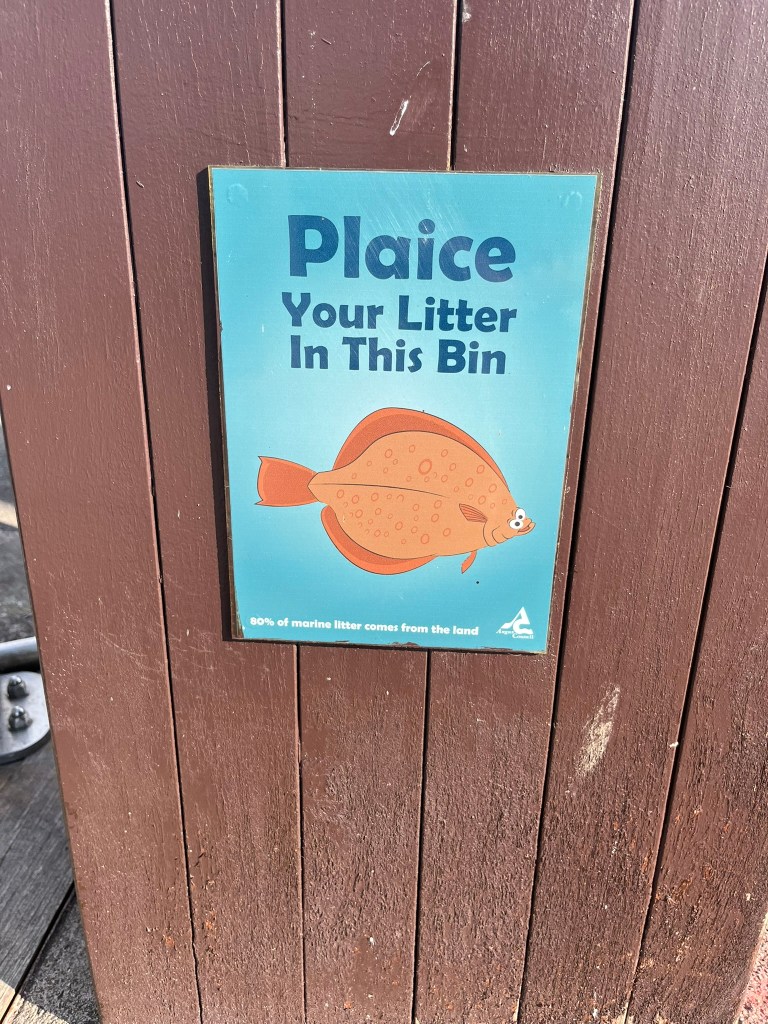
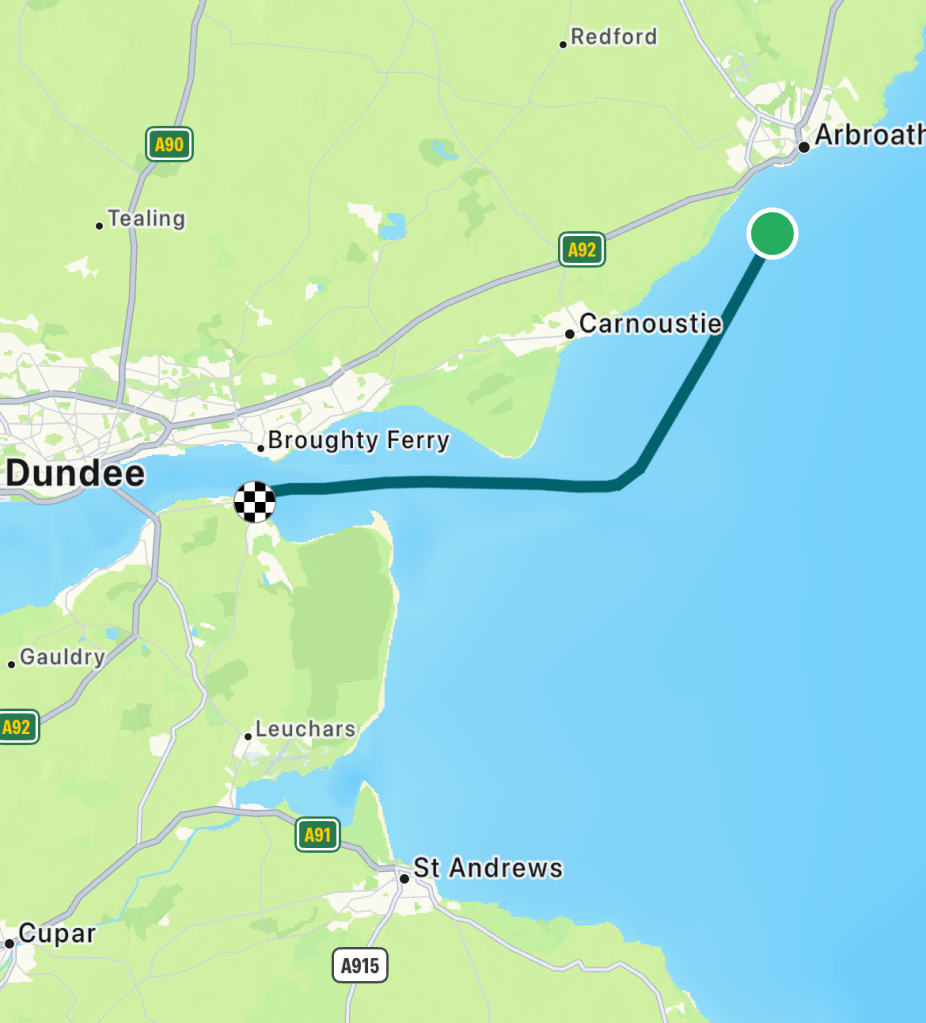
Finally the fine weather was coming to an end, and it was going to be very wet from mid-morning the next day, so we had made the decision to go early to a tiny harbour at Tayport, just over the River Tay from Dundee. Plans to get into St Andrews harbour the following day were scotched by a forecast promising that it would be totally foggy, so we’d extended the stay to two days so we could tick the St Andrews box on a less fog-bound bus.
Tayport harbour is run by volunteers, one of whom insisted on coming down to meet us and showing us around. The tour consisted of a portacabin housing one shower and one toilet, but it was the warmest welcome coming on the back of a series of text messages advising on how to get in, where to moor, how much water to expect and so on. Graham, our host, was so keen that we felt bad about not inviting him to our breakfast but Hugh’s portion control was restricted to the three of us and we sat down to the best Arbroath Smokie and poached egg combo eaten anywhere in Tayport that morning just before the rain began, which would have made any closed-cabin-based smoked fish cookery very unwelcome indeed.
From one cultural icon to another in the shape of Dundee, about which there was some disagreement as to what it was culturally famous for. Tina: the new V&A; Hugh: city of jute; me: The Beano, fruitcake and marmalade. Thank goodness for cultured guests because there weren’t museums for any of my choices.
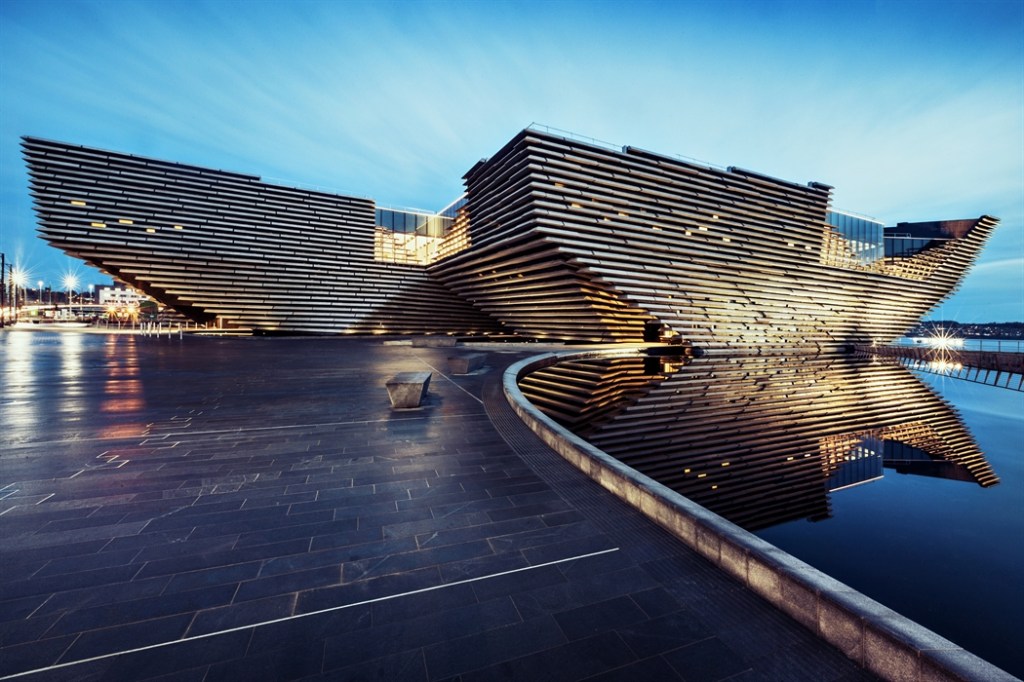
When it’s too windy to sail you hike along cliff tops or up mountains, when it’s too wet you head for the nearest museum and Dundee delivers on this point, with a wide selection, all of which contained cafes or coffee shops. In the case of the Contemporary Art Museum this was all it contained so we focused on the V&A. Graham’s opinion that it was a lovely building with nothing in it wasn’t so wide of the mark unless you include a vast shop and a vaster cafe and an exhibition about how lovely the building was and how it was built, which did seem a little self-referential, albeit very true.
It was raining so hard that my pictures were a waste of time so here’s a library shot to remind you of what a splendid building it is:
Tina is a skilled trained photographer so her shots are not only better but could fill a space in the Contemporary Art Museum:
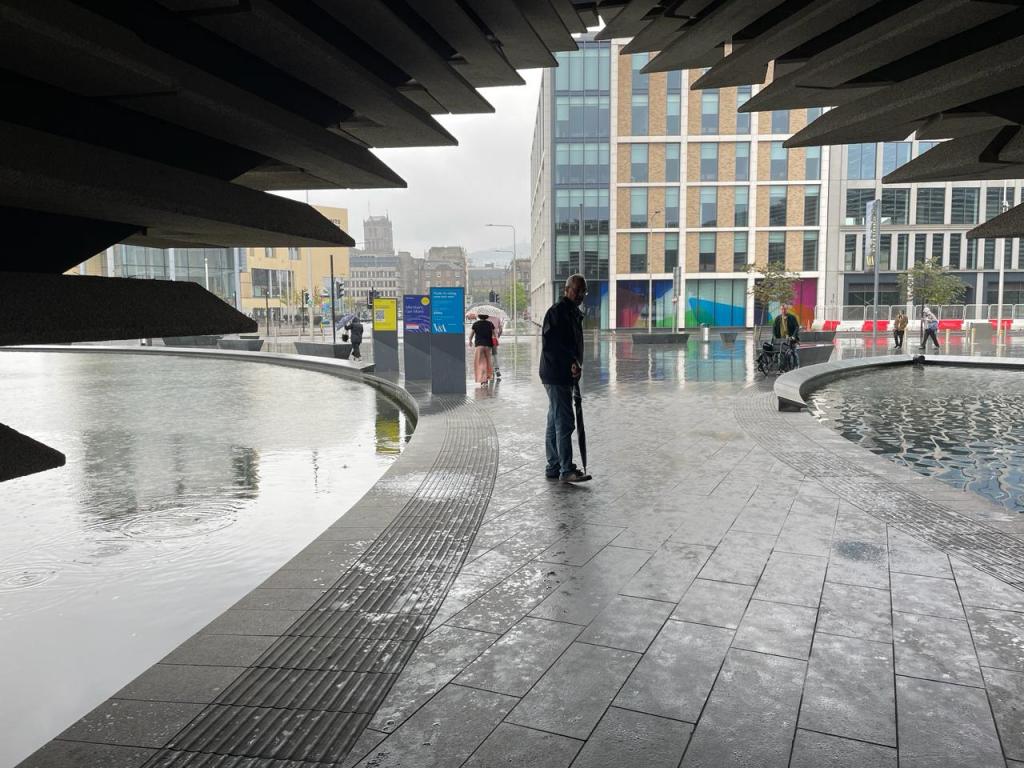
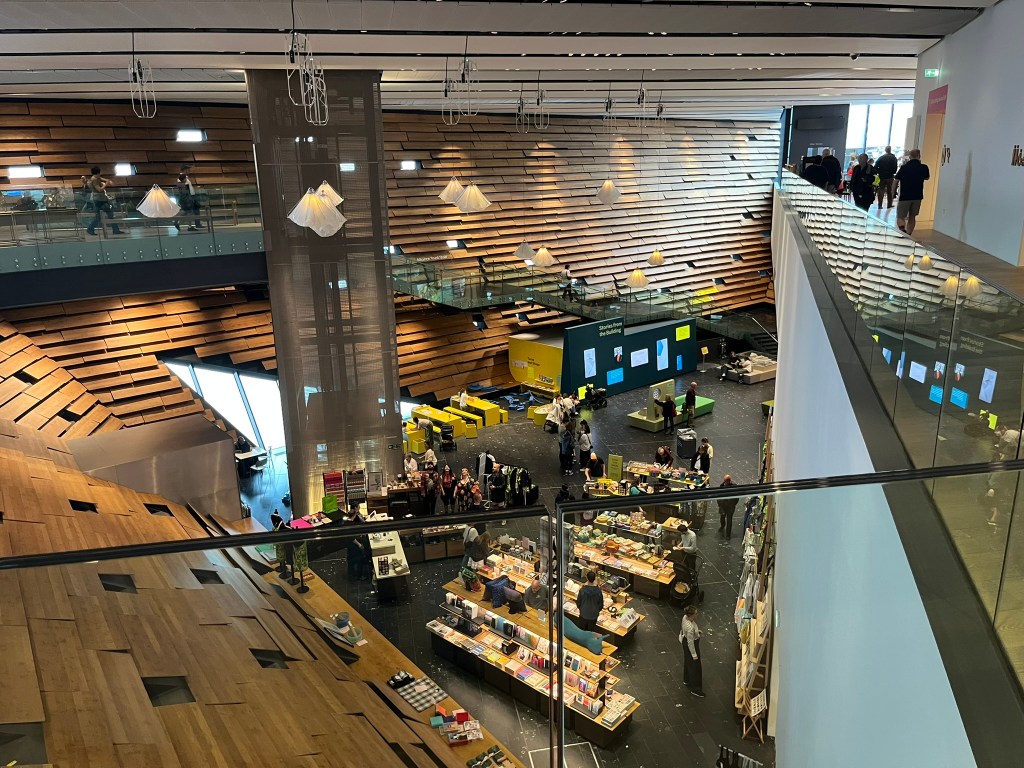
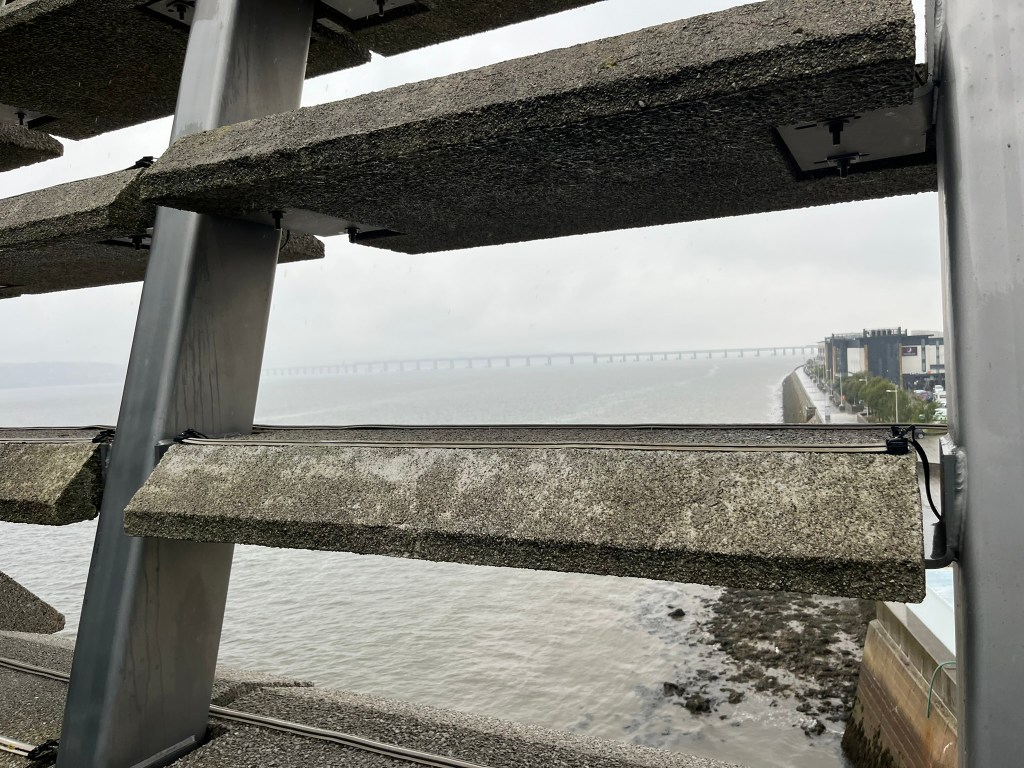
Unfortunately it was still raining with a full Scottish vengeance so we decided to venture beyond the cafe to a strangely political exhibition on the past and future of gardening, which is not a sentence I ever expected to write at all, let alone in a blog supposedly about sailing.
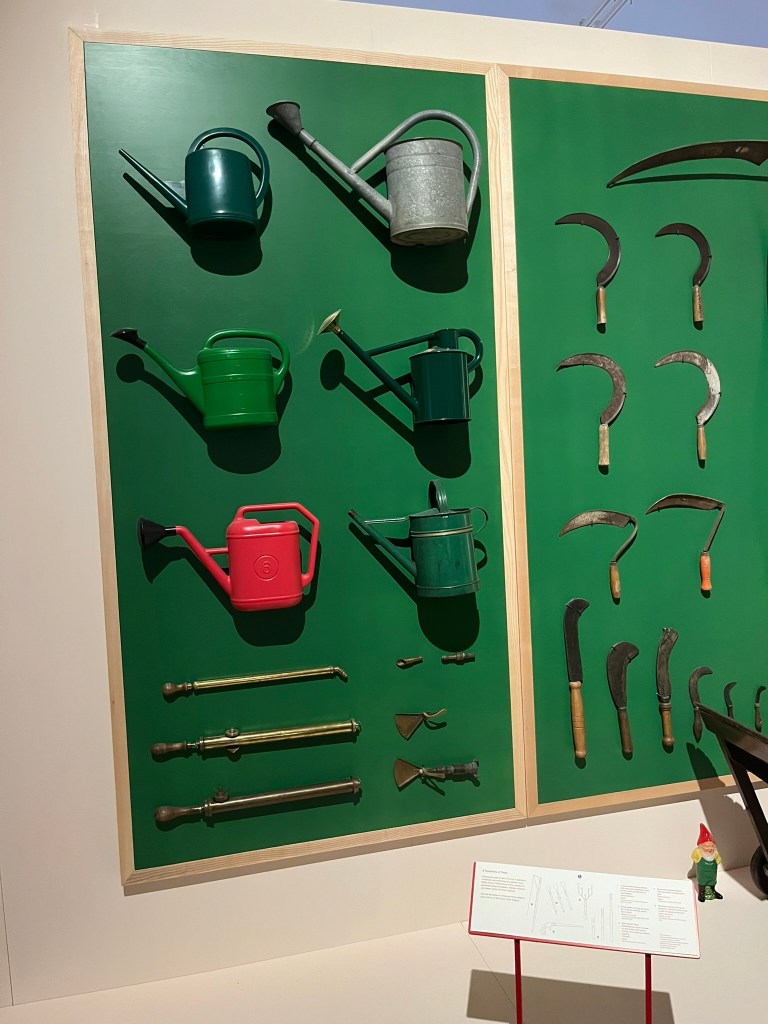
After an hour of polemical horticulture Hugh was champing at the bit to engage with jute, which appeared to be a particular interest of his which he’d sensibly kept quiet about until now. The Verdant Works Museum will satisfy anyone who feels a jute-shaped hole in their lives, and for others it provides a welcome shelter from the teeming rain, in spite of leaking in several places being an old jute works (of course). In all honesty it was surprisingly enjoyable, describing how Dundee more or less accidentally found itself cornering the entire jute-processing business just as jute became the essential fibre that quite literally held together the British Empire, then made the mistake of showing the residents of the Ganges (where it comes from) how to make it at a tenth of the price and then watching their industry collapse in about ten years. By the end it had almost stopped raining so we could leave dry and considerably more informed on the subject.
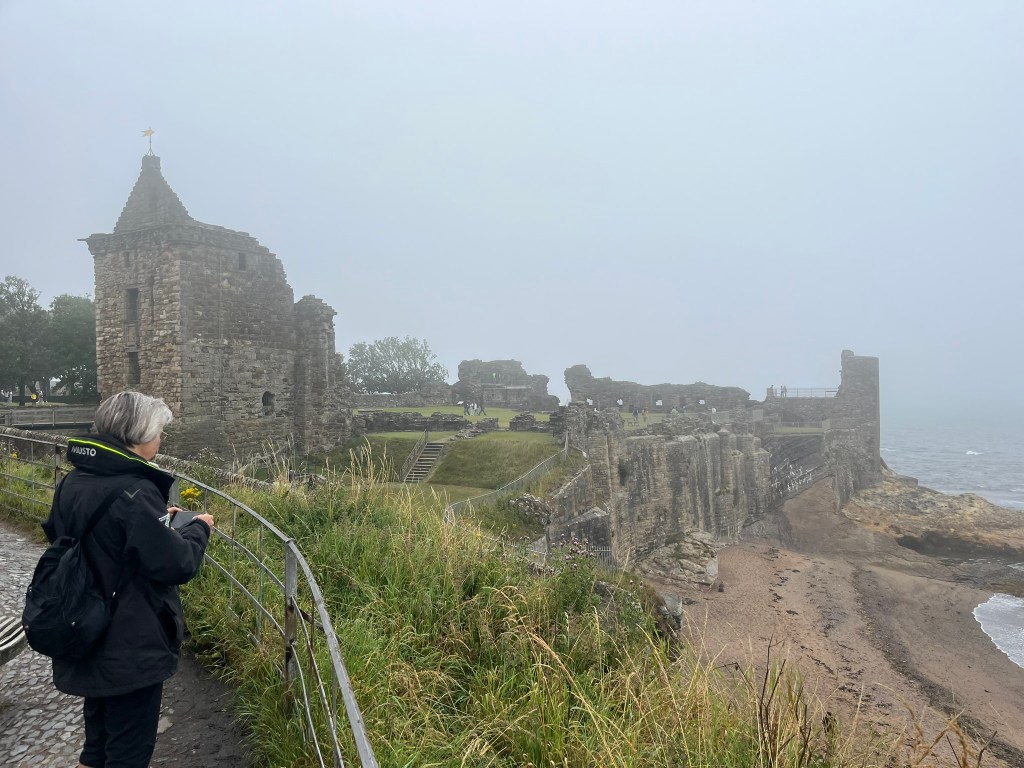
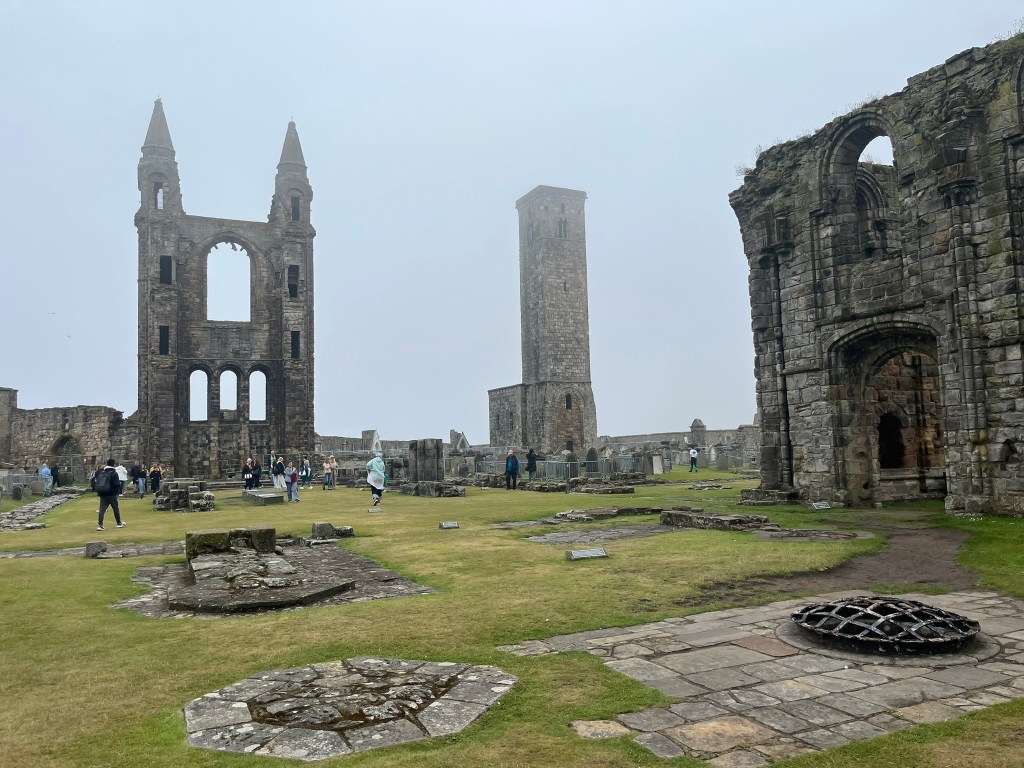
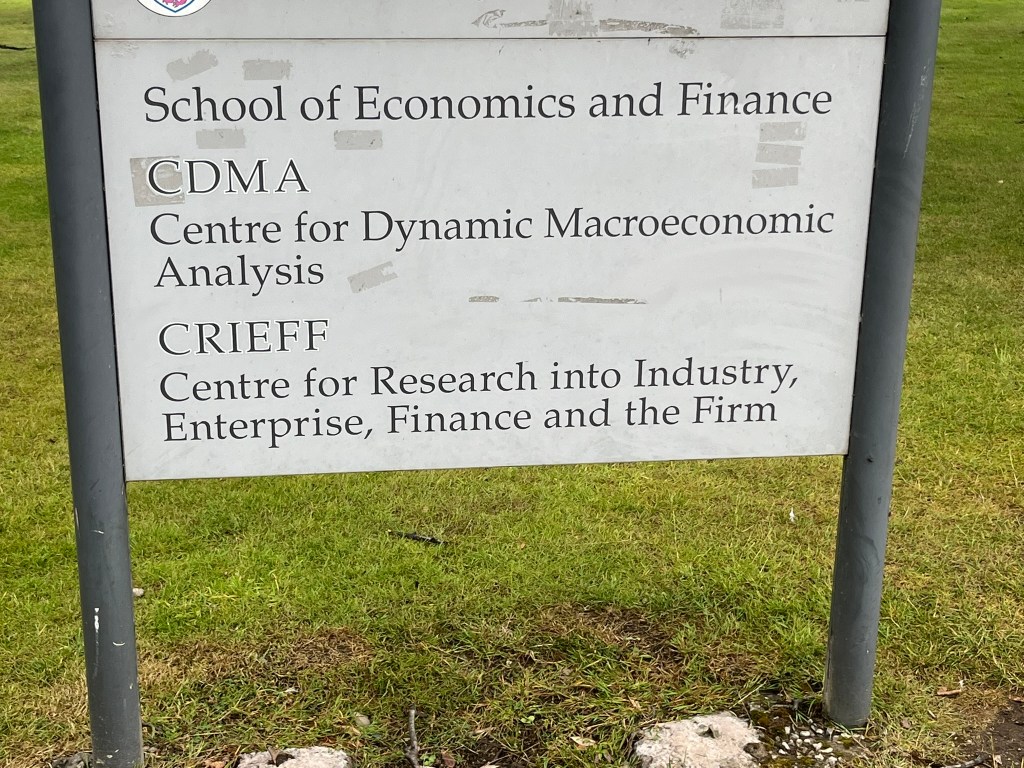
St Andrews is more of a predictable tourist destination but we hadn’t expected much culture here, nor indeed much of anything beyond a small university and a large golf course with (presumably) a rather swanky clubhouse, so it was more out of a desire to see something other than fog that we headed in the next day, not as expected on the bus but in Graham’s car: Tina had mentioned our plan to him and he’d replied that he was going anyway as one of the restaurants there was doing a 2-for-1 offer on lobster rolls. This immediately added another string to St Andrews’ bow and to our pleasant surprise the strings kept coming: in addition to the (surprisingly large and very ancient) university and the (even larger and swankier than expected) golf courses we found, in no particular order, a very wide range of coffee shops and retail opportunities, an excellent ruined castle, a muddy harbour that we would have struggled to find a space in, a massive and gorgeous sandy beach, a huge bank of Haar that kept blotting out all of these sights and reassured us that we were right not to sail here, not one but two ruined cathedrals that between them had been the centre of Christianity in Scotland for a thousand years, and a free tour guide who did the best potted history of the Reformation in 90 seconds I have ever heard. I wished I’d had him for my Finals.
We also found the lobster roll outlet, which was keeping the 2-for-1 offer very quiet to the extent that we had to ask if it was happening. Assured that it was, and assuming that this was a laudable plan to benefit locals not tourists, we went sightseeing, came back at lunchtime, ordered four for the price of two, and only on the bus home realised that the girl who had assured us had then charged us full price. Life’s too short to get upset by this treatment but if you’re ever in St Andrews (and I highly recommend it as a place to visit), do me the favour of going into Dune restaurant on North Street, eating one of their excellent lobster rolls and then spitting on the carpet.

After this much High Culture it was time to get back to some more socio-cultural experiences in the form of fish and chips in Anstruther. We’d phoned the harbourmaster who was again delighted to welcome a lift-keel yacht, in this case because his council had installed a new secruity system which only had 50 key fobs for visitors on the deeper water pontoons, they had lost them all and the system couldn’t add any more, so he could only welcome shallow boats who could tie on the wall.
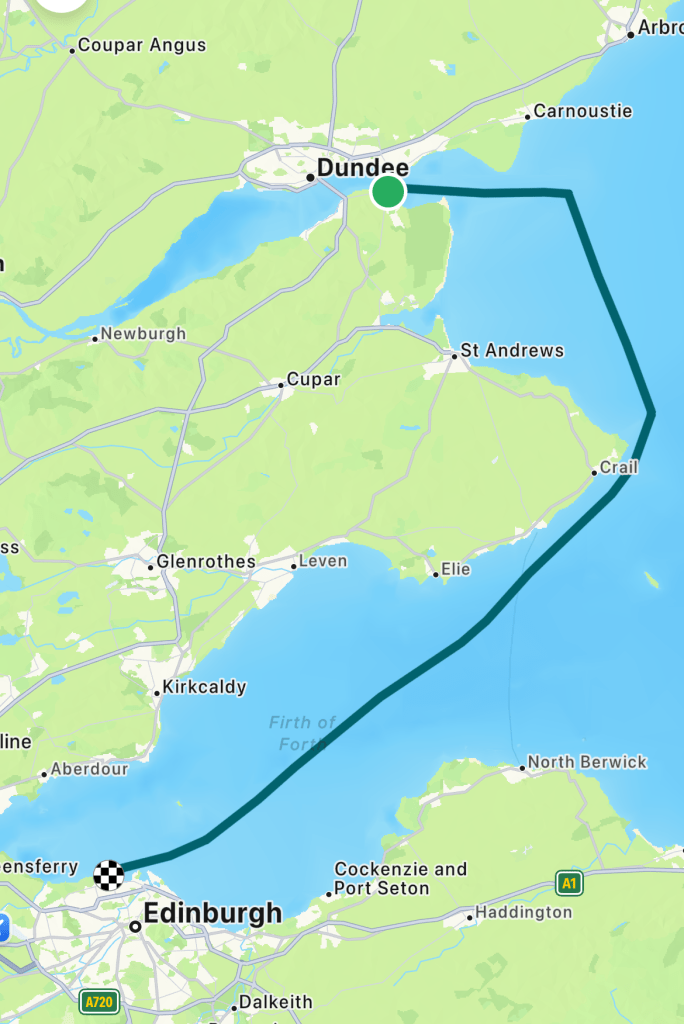
As if this wasn’t complicated enough we had to motor out of the Tay against its legendary four-knot tide (which turned out to be more myth than legend – discuss – as it was ‘only’ 2.5 knots) straight into a bank of the densest Haar yet. This was horrid but luckily only for an hour or so, and just as we got back into lobster pot country it lifted so we could see our danger targets again. At least, two of us could.
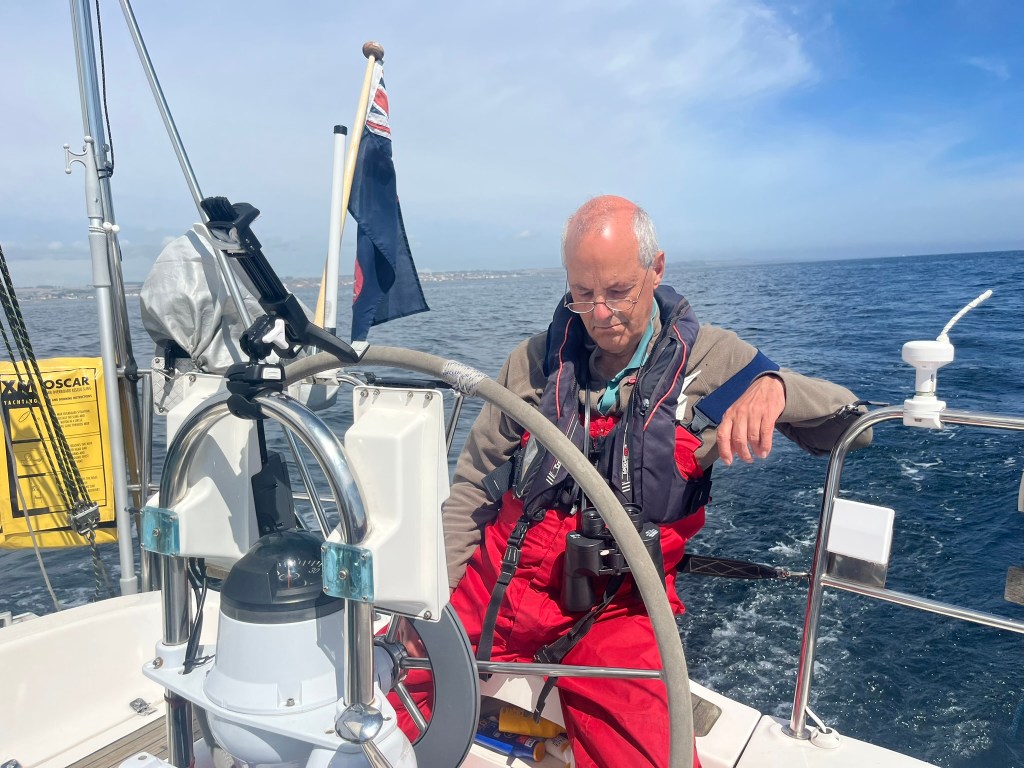
Best of all, the wind for once did what it had promised and blew a very pleasant 12 -16 knots from the North-east which made for a sunny spinnaker run down the Fife coast. This prompted a re-plan: given that it was due to rain and blow from the West tomorrow, we had to ask whether the fish and chips in Anstruther were so superior to those in Edinburgh that we were prepared to trade an afternoon sunbathing under spinnaker for most of a day beating into rain tomorrow. I’m sure Anstruther is a lovely place but beating into rain is never fun, so we phoned the harbourmaster and let him down gently then sailed straight past and looked at it through the binoculars. This was definitely the right decision – sailing right up the Firth of Forth with the spinnaker up is one of those things that you should do if you can, and we could: at least until the wind died, but even then under engine we had more chance to see the pierheads at Leith up close, along with a surprising number of puffins bobbing about. Apparently they breed on the islands off Edinburgh too, which will come as disappointment to anyone who trekked all the way to Fair Isle just to see them.
Looking at Leith is all yachts can do as you aren’t allowed in unless you are the Royal Yacht, so we headed on to the only yacht-friendly harbour in Edinburgh: Granton. This is a strange place that I’ve visited before in a Dragon: on the one hand it’s the home of the very welcoming and highly-esteemed Royal Forth Yacht Club who have since added a pontoon for visitors; on the other it’s a horribly muddy shallow harbour in the middle of nowhere. Today it was at its muddy shallowest and getting alongside the pontoon was made even harder since it was swarming with what turned out to be a rally of small dayboats, and we had hit the mud before we even got there, so motoring in with the keel most of the way up and reversing into a tiny gap was quite the way to end a most satisfactory day.
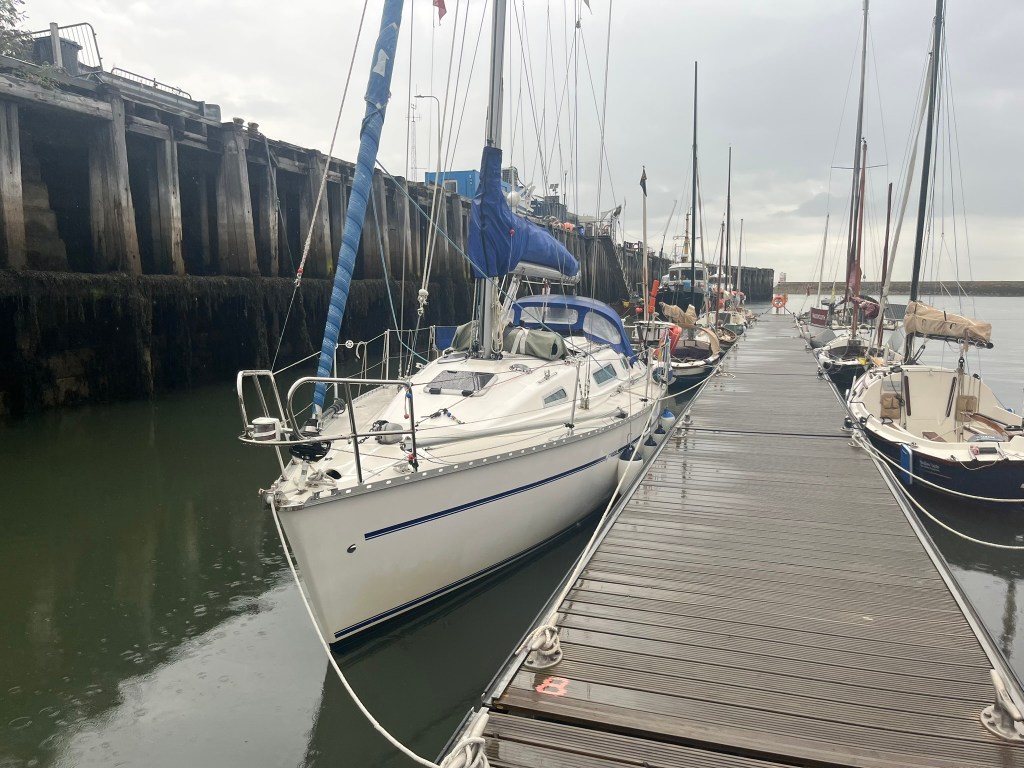
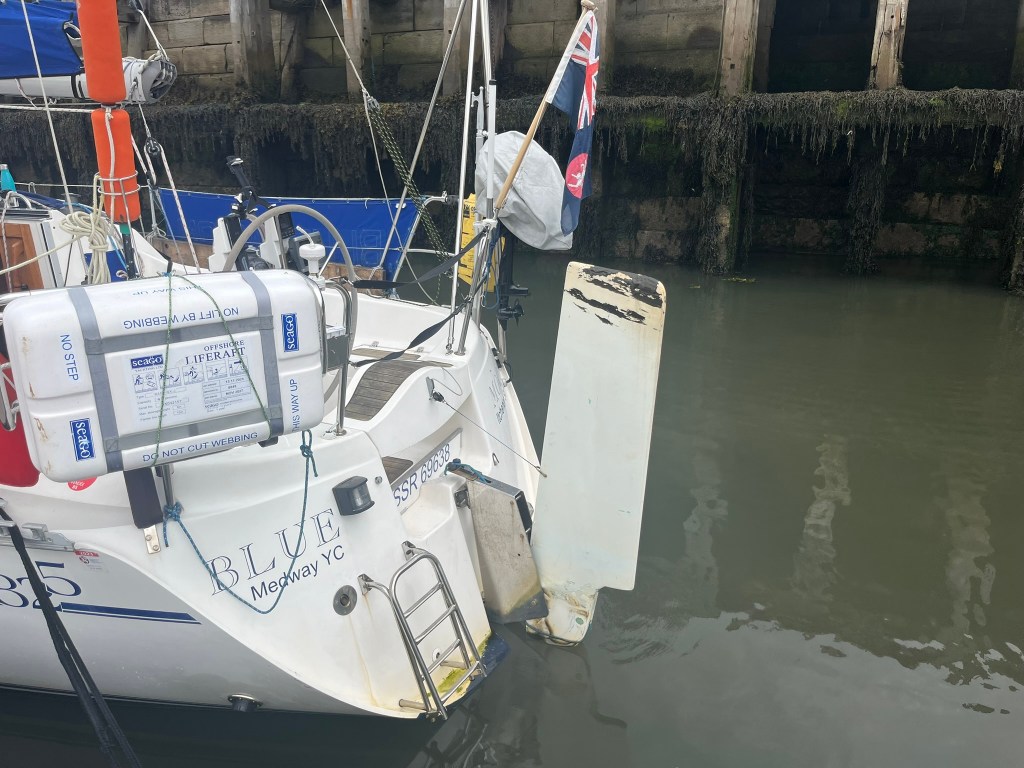
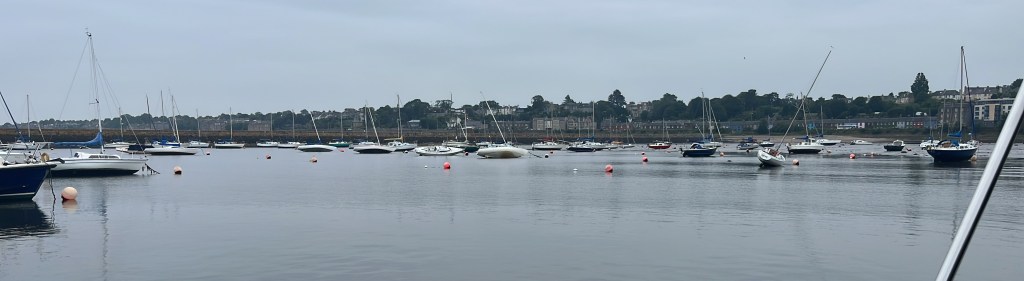
Edinburgh, of course, needs no introduction to this cultured readership or indeed to the crew who between us had visited very many times, but rarely as tourists and never by boat. We managed to combine a bit of literal sightseeing (walking up Arthur’s Seat, or at least the crags on the edge of it – the top looked as crowded as Snowdon) with a bit of culture (the pleasantly air-conditioned National Gallery and the surprisingly restful interior of the Parliament building). We managed to keep a nautical balance by chatting to the raiding day-sailors who were clearly bemused to find a relatively large cruiser moored amongst them, and who contained among their number – to our mutual astonishment – my long-time ex-work-colleague Chris and his wife Anna. It is indeed a very small world, especially if you hang out on pontoons with small boats on them. We also managed to eat pretty decent fish and chips in the newly-renovated Newhaven Harbour just outside Leith and drink beer in a pub precariously balanced out over the water, two most un-Edinburgh-like experiences.
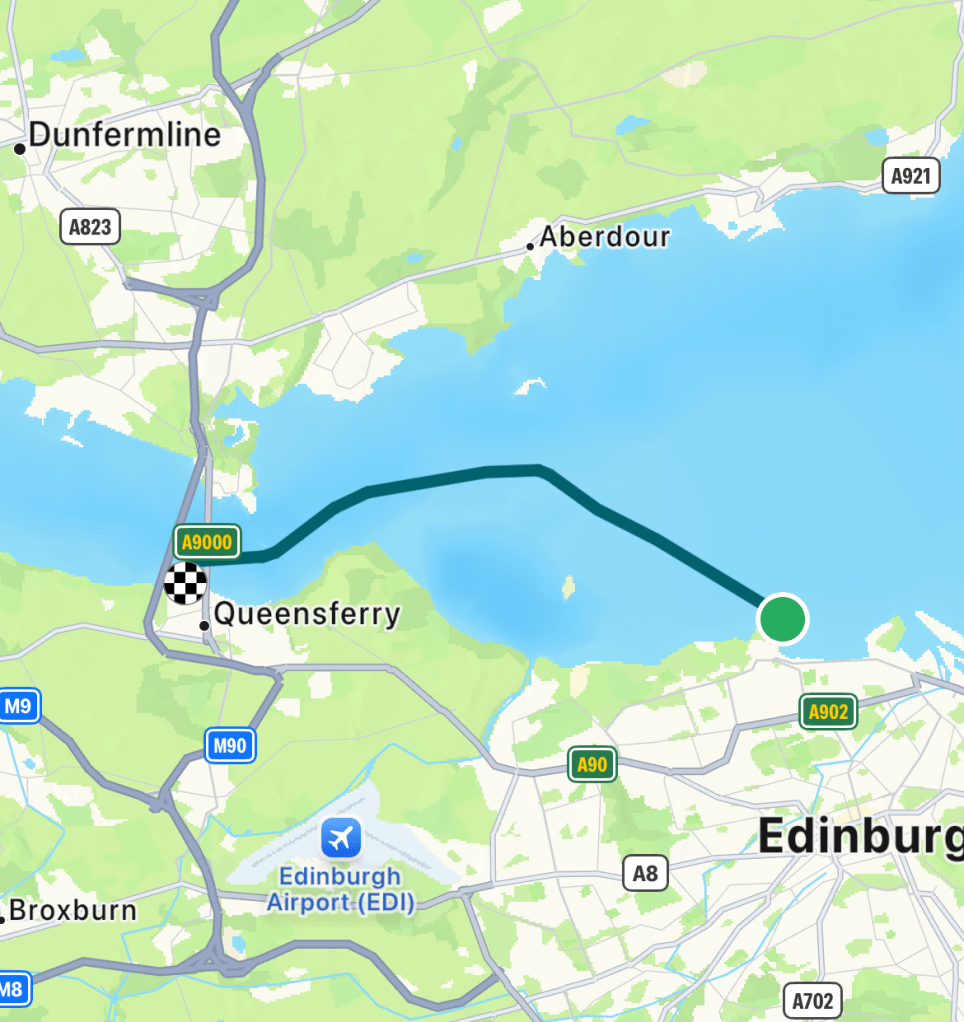
To round off Hugh and Tina’s full Scottish experience we motored the following morning in a flat calm under not one but two of the now three Forth Bridges to Fife (see what I did there?). Not just for the wordplay opportunity: I had arranged to leave the boat in Port Edgar marina for a week so I could come home for a birthday and even more culture, this time very English. The journey would have been memorable enough for going under another iconic structure that featured so heavily on my childhood UK jigsaw (Going South for the Winter (via the Isle of Man)…
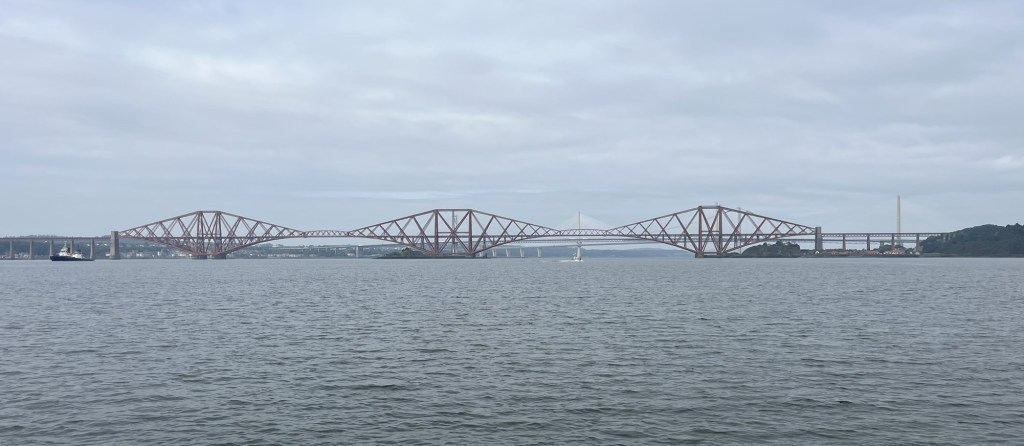
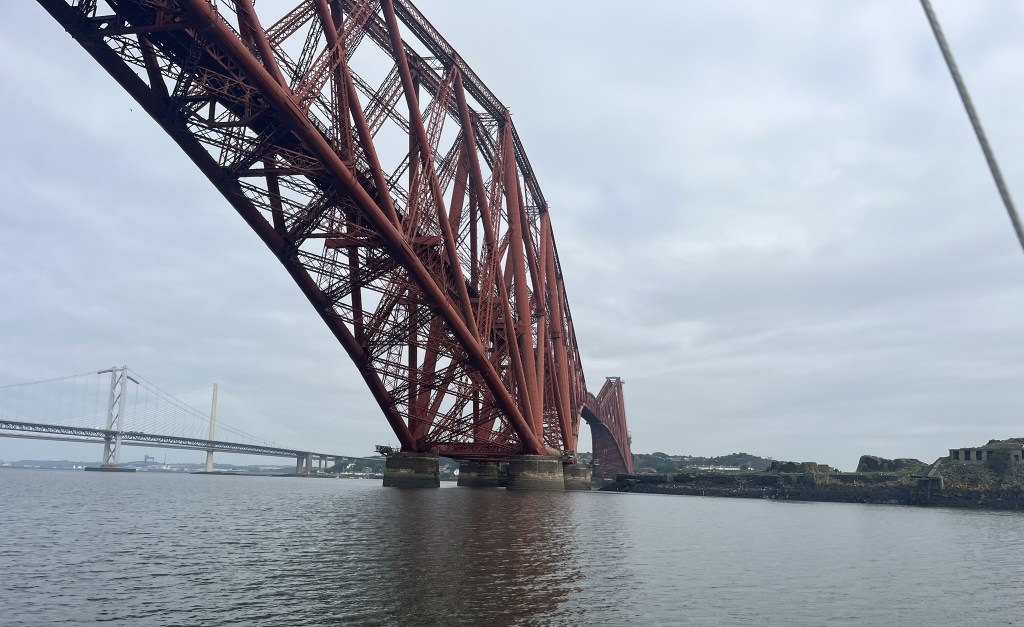
…but this morning it was made more memorable as we were accompanied through the bridges by a dolphin who jumped to our head height on both sides of the boat and then swam alongside right up to the fuel berth in the marina.
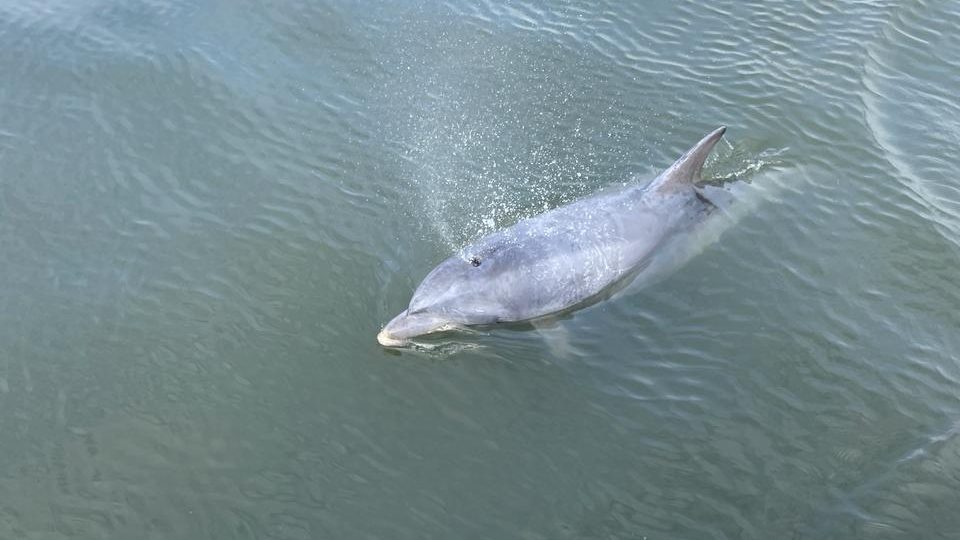
The dophin and the puffins felt almost out of place as Edinburgh really is another significant step in the journey home to normality: there are trams and buses every ten minutes and trains to London every hour; there are branches of Pret a Manger to buy lunch in and more than one high street bank; and an Uber arrives at the marina within five minutes to take me to the station. I am still in Scotland but this isn’t the Scotland that I’ve loved sailing round, it’s another big city and in spite of being quintessentially Scottish it has more in common with home than it does with the little fishing harbours and lochs I’ve spent so much time in. That adventure really is coming to a close now: the train crosses the border at Berwick in under an hour and I could sail there in a day if I put my foot down, but I’m going to go as slowly as possible because I can’t quite face up to being back in England just yet.


 Blue Moon's trip around the UK
Leave a reply to Kate Beswick Cancel reply