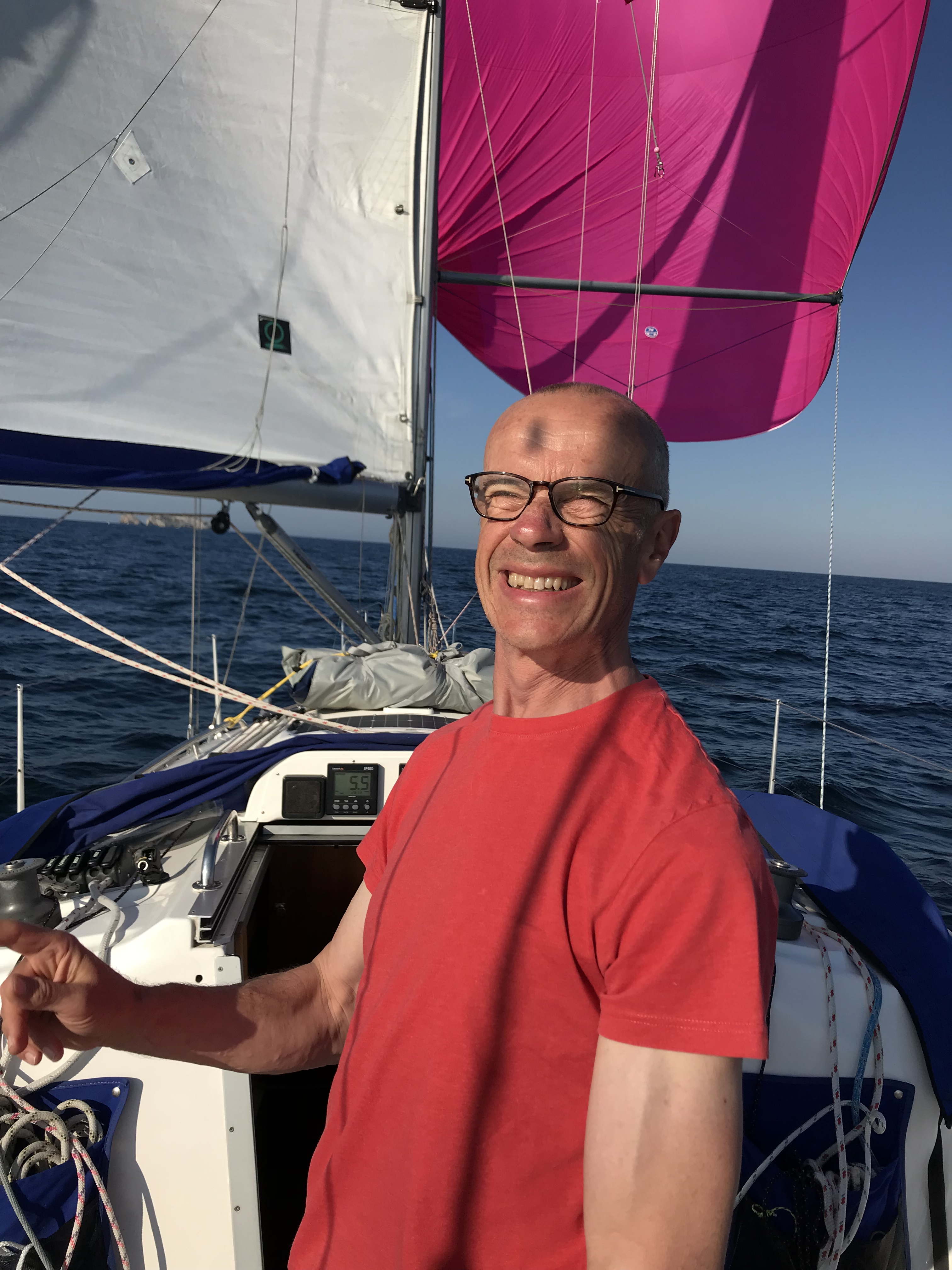
You’ll have to forgive me if this post is similar to the one I wrote about the same week a year ago: if you’re heading from Oban to Liverpool there are only so many options, so I had long known that I would be retracing some familiar steps. However, to make things interesting I had a different guest (Roger) and a different weather forecast: sorry Roger, not the seven days of 24 degree sunshine that Tim and I enjoyed last year (A week of surprises). The plus side of that, though, was that we did a lot more sailing (sorry Tim, not the several days of motoring), and when I say we headed south slowly that is an average of the week: we actually headed rather fast most of the time, interspersed with days of going nowhere by boat as it was blowing too hard.
Take the first day, Tuesday, for example. It is helpfully blowing in the right direction (from the North) for once, but it is doing it at well over 30 knots, so we decide to stay put. This decision has a range of consequences, few of them completely good. First, keen not to be outdone by Roger’s zest for mountains, I suggest we climb Ben Cruachan instead, the highest mountain in the area and also the most hollow: it is home to the UK’s largest pumped storage hydro-electric thingy which is in a huge cave inside, and this is deemed to be so exciting that it merits a visitor centre, a train station and a bus stop, which makes it handy for sailors in Oban. We did notice, and briefly discuss, the mountain weather forecast which mentioned gusts of over 50 knots and a wind chill of -9C above 1,000 metres (Ben Cruachan is 1,126), but looked the other way in a manner which we would never do with a sailing forecast. We had thermals, we had walking poles, we had Tunnocks Caramel Wafers, what could possibly go wrong?
The answer to that question came sooner than we imagined. After steaming in the train in our thermals, and even more after hiking up the delightful wooded valley to the Cruachan reservoir…
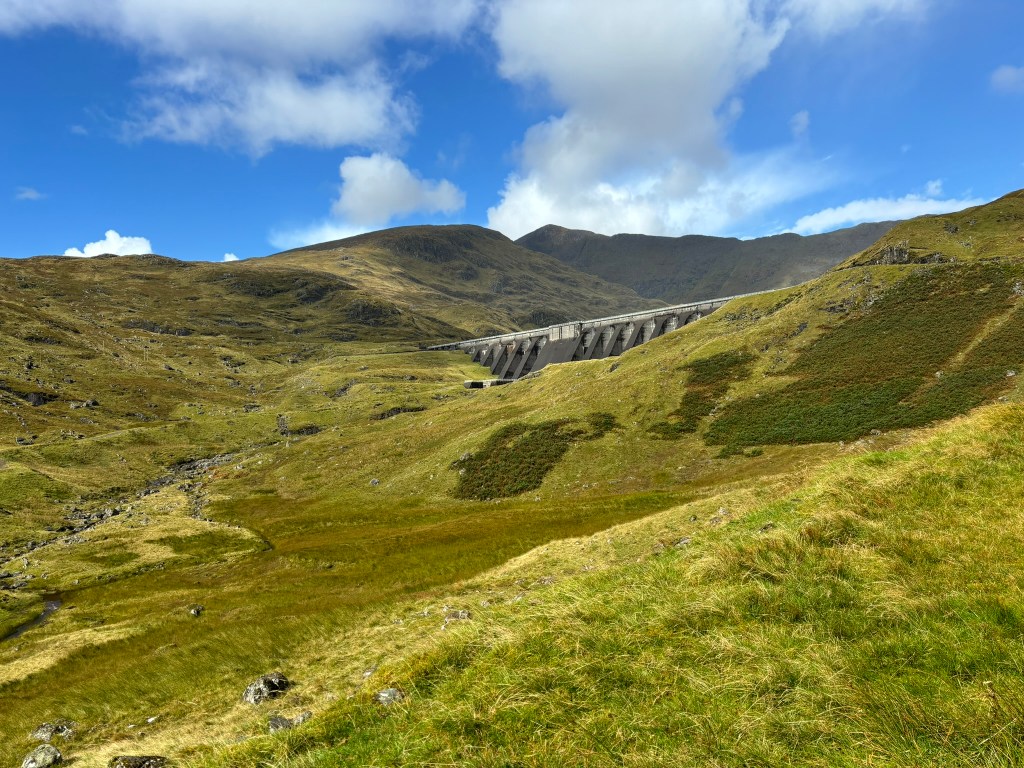
…we came out onto the bleak uplands and encountered the first of many vicious hail squalls. Undeterred, we braved it out, and the next: as we climbed, each was followed by a spell of clear sunshine with increasingly stunning views down across Argyll and to the reservoir where, unbelievably, we could see a sort of whirlpool as the water from this huge reservoir was sucked down a giant plughole to power the turbines below.
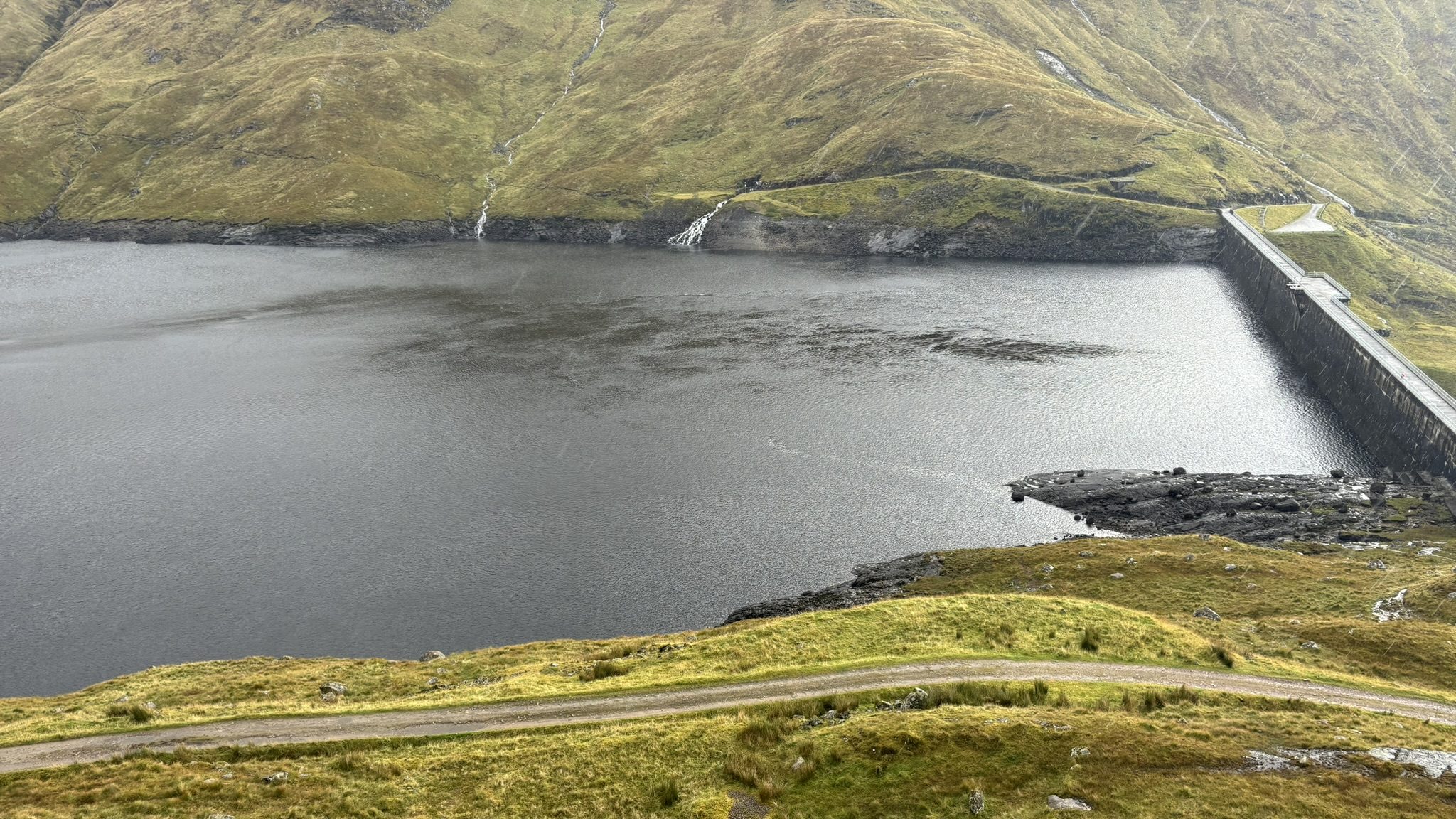
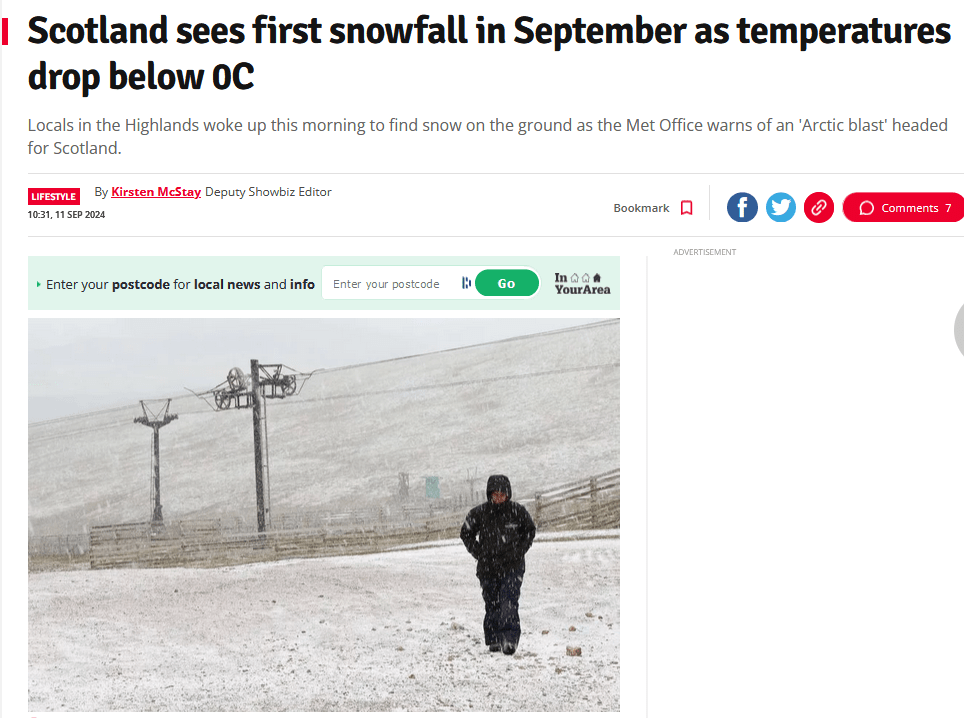
Then we reached the ridge from which we would carry on up to the summit where we were met with the most vicious squall yet. Instantly my gloves were wet through and the windward side of my face began to hurt with the cold as if someone was repeatedly slapping me with an ice bag. We stopped and huddled behind an unsheltering rock to see if a Tunnock’s would improve the situation. It didn’t. It was a very quick and sound analysis session: we were only around 750m, it was going to get windier and colder, and it was at least an hour to the summit. The very real prospect of hypothermia presented itself, and we had a week of yachting to look forward to. We came down as quickly as we could, walked around the reservoir where it was a balmy 5 degrees or so, and headed down to the visitor centre where there was tea, cake and a guided tour inside ‘The Hollow Mountain’ : the first time I have been driven a kilometre inside a mountain in a minibus to look at a power station, and probably the last (although it was mildly interesting as well as very warm and dry). Only when we got back were we alerted to the headline in the morning’s Daily Record:
In mid-September. Which rather sums up the summer.
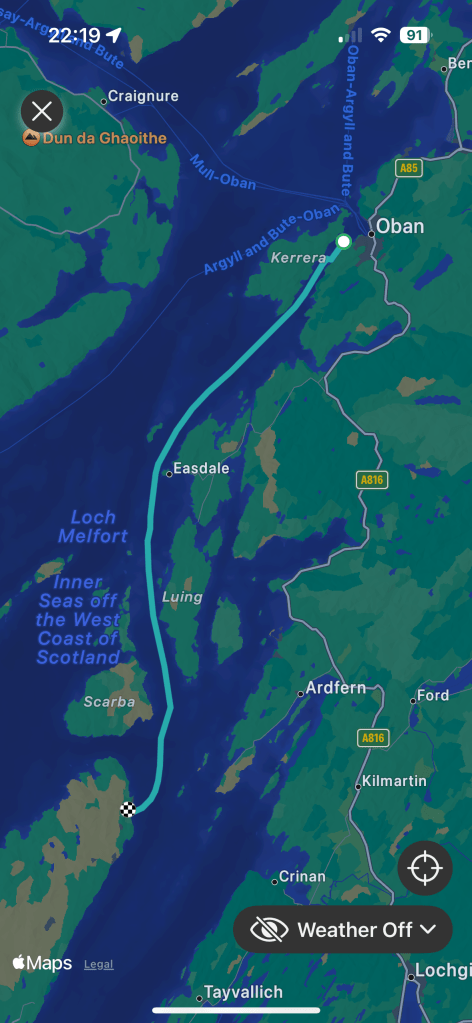
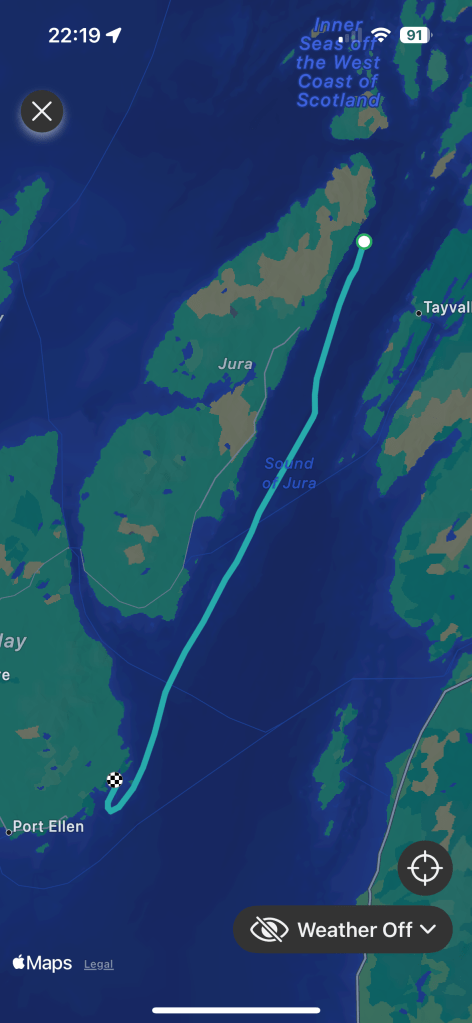
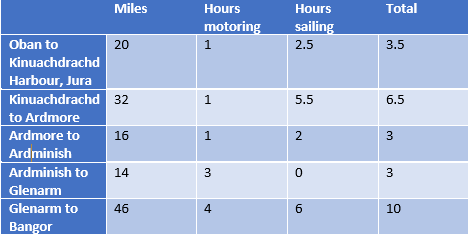
It was marginally less windy the next day so we decided to stay at sea level with the wind behind us. Tide too, as we skated down the Sound of Luing conveyor belt to the North of Jura in a couple of hours. Our plan was to anchor in a sheltered bay so we could walk the path around the top of Jura to see the Corryvreckan whirlpool from a less scary but more impressive angle than when Tim and I sailed past it a year ago. I had anchored in the next bay with Peter last year(Of whales and whirlpools. And rain.): it was 25 degrees and we had a leisurely lunch sunbathing in the cockpit, Today it was 10 degrees in mid afternoon and gusting to 30 knots. Such is my new casual approach to anchoring after two summers in Scotland that we slung out all the chain and went straight ashore.
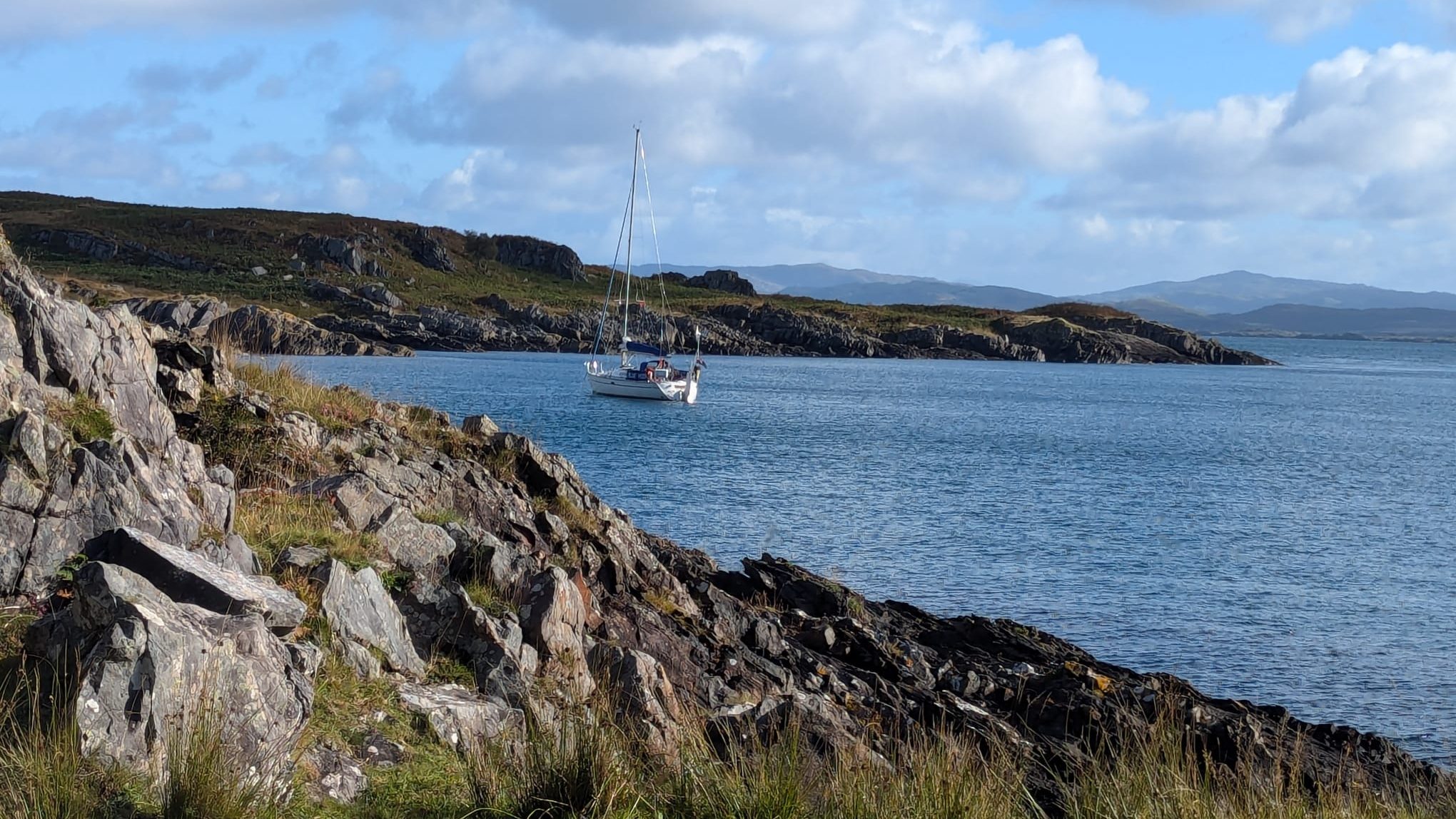
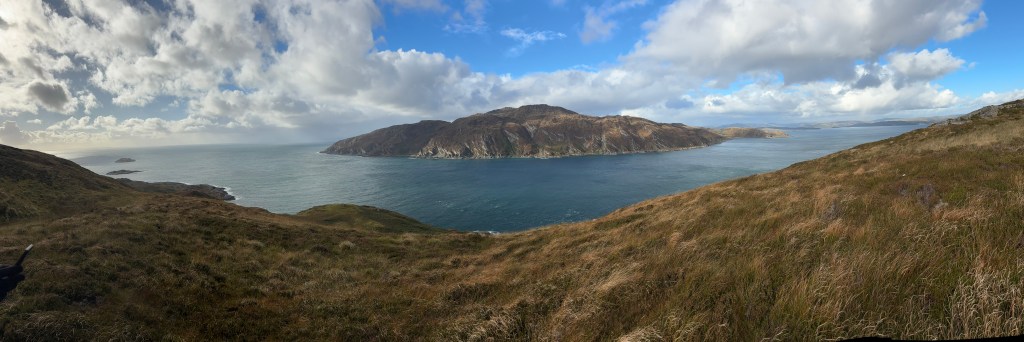
Rather disappointing: first, we had forgotten that on Jura the word ‘track’ means ‘slightly deeper bit of peat bog where brown water can collect until just over boot height’. It was better than dying of cold on the slopes of Ben Cruachan though, and I was keen to show off the whirlpool and overfalls which I had calculated would be at their fiercest with a spring tide hosing out into a near-gale. An hour of squelching later and the second disappointment: it all looked oddly calm, and we had trouble making out which bit was the whirlpool.
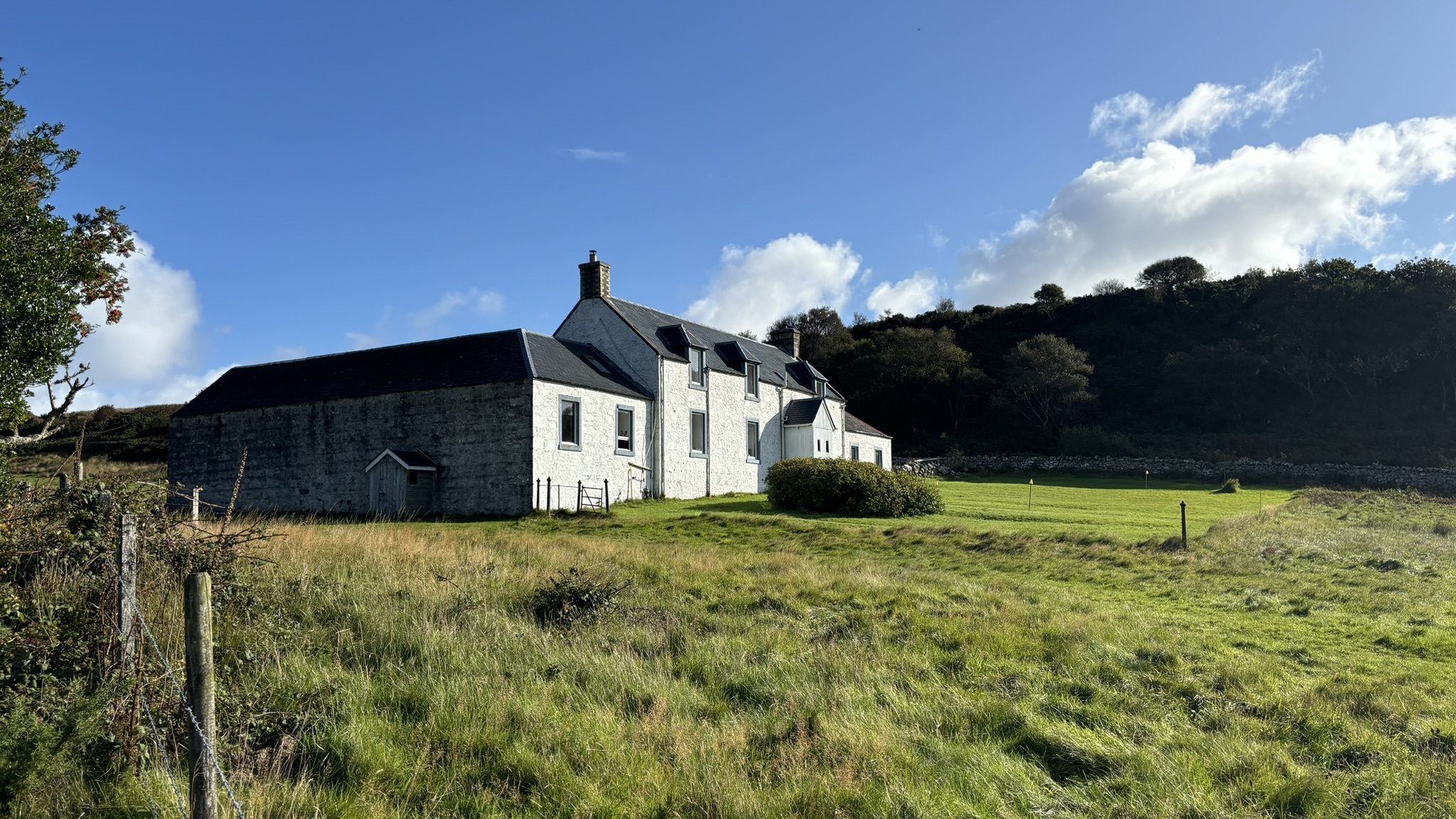
No such disappointment the following morning: we walked over to look at Barnhill, the farmhouse George Orwell rented to write 1984. Apparently it is still owned by the family that rented it to him and it is more or less as he left it: you can rent it now if you need to finish off a seminal novel about a dystopian future, but it is properly off grid with no electricity and the heating and cooking all done on an Aga. It does have amazing views though, and a garden not made of peat bog, which makes it rather unusual for these parts.
Heading south later in a fresh breeze that now made for enjoyably fast rather than daunting sailing, it was a good five miles before we came across the next house.
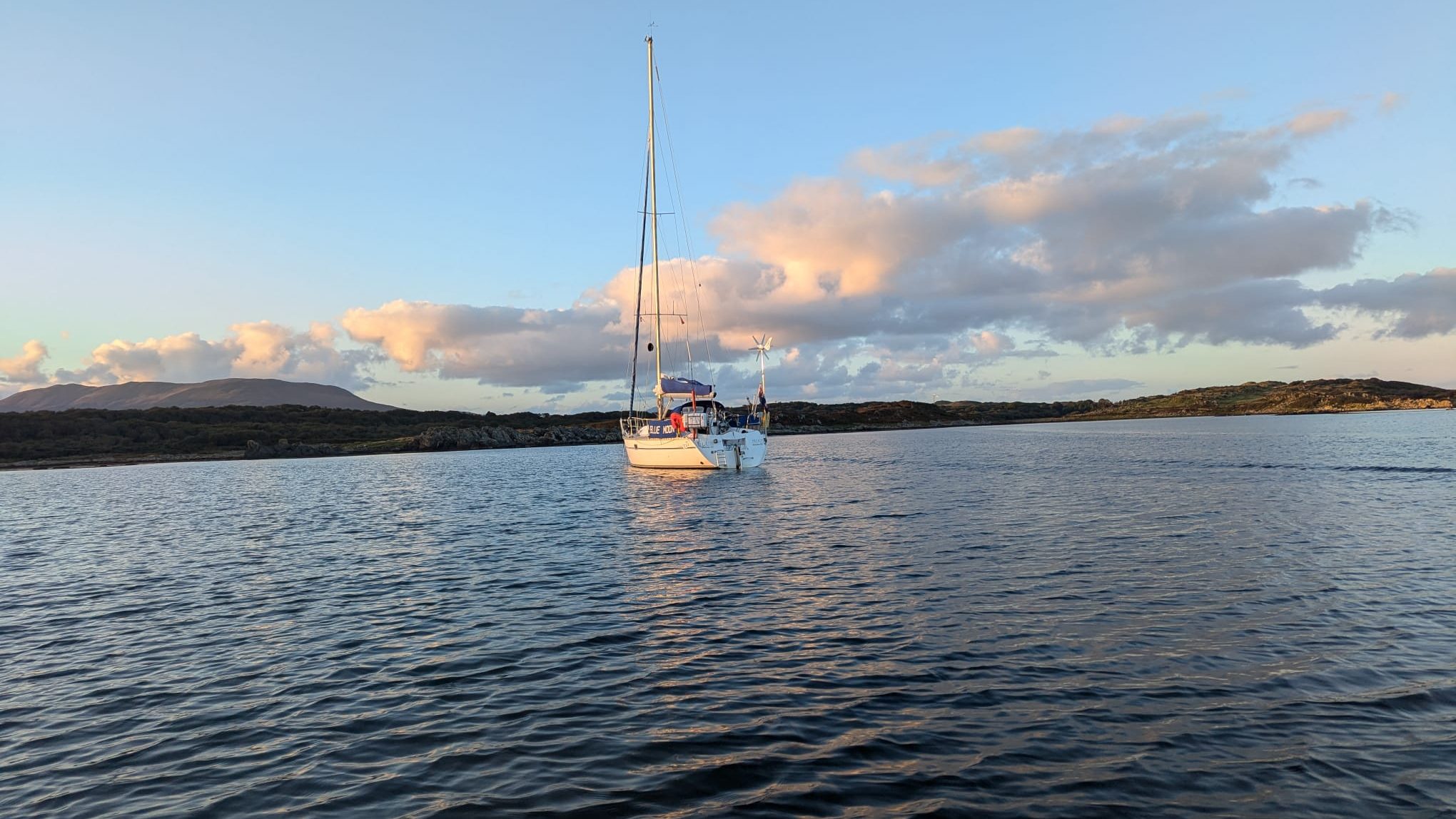
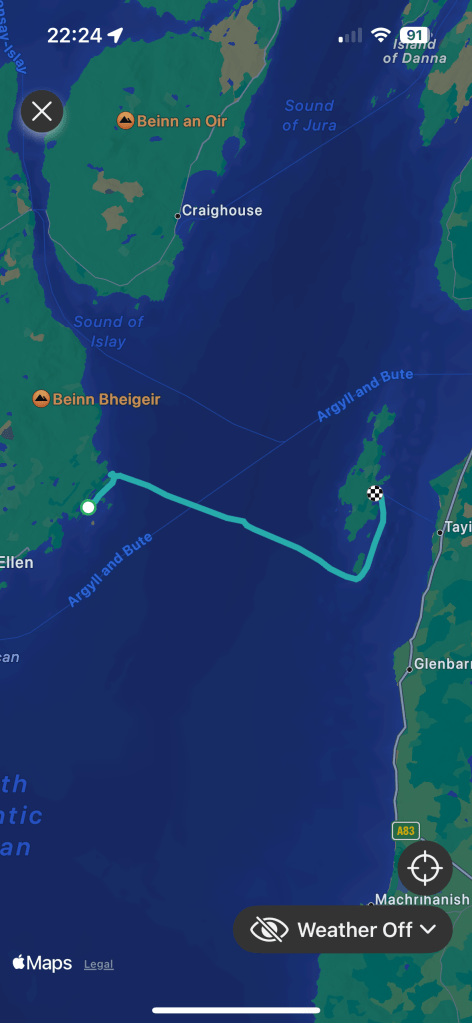
Our destination was another box I wanted to tick: the Ardmore Islands are just off the corner of Islay and I had had to forego them in favour of a whisky distillery in the spring; every sailor I mentioned this to said this was a mistake but that just illustrates different answers to a very first world question. We could see their point though: you get to anchor in amongst a group of rocks well sheltered from wind and waves with only a colony of seals for company.
We dinghied ashore and walked to see a pair of Celtic crosses mentioned on the map. They were nice enough, but not as much fun as the pair of pigs that trotted out to meet us as we tried to find the path around their farm.
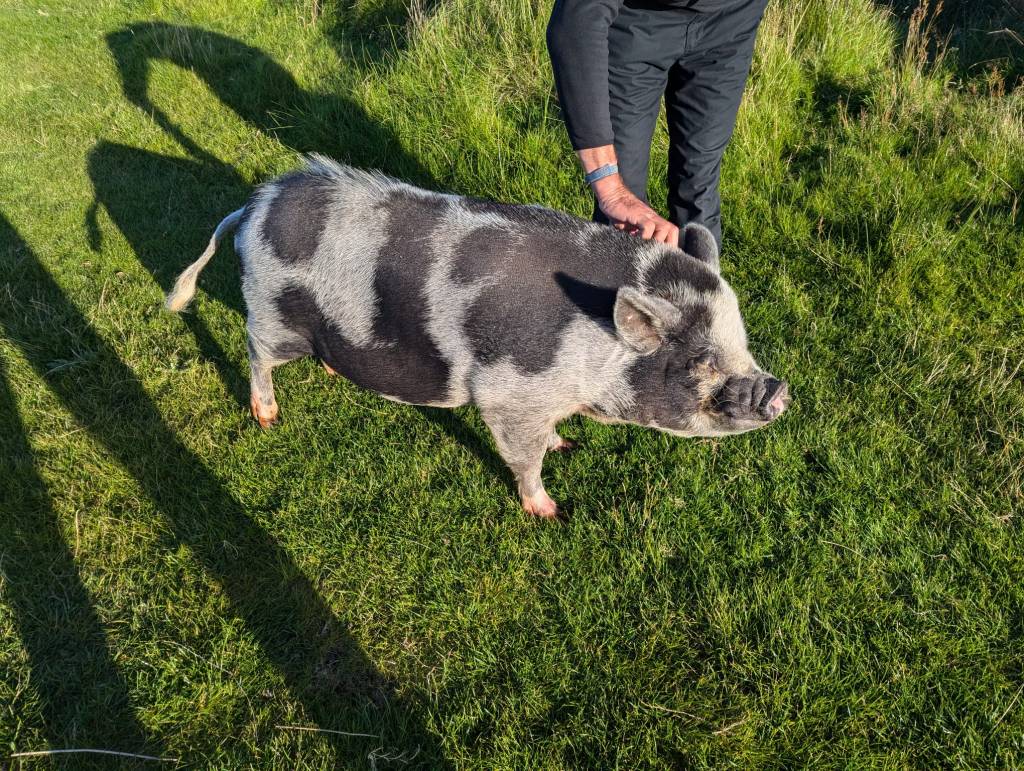
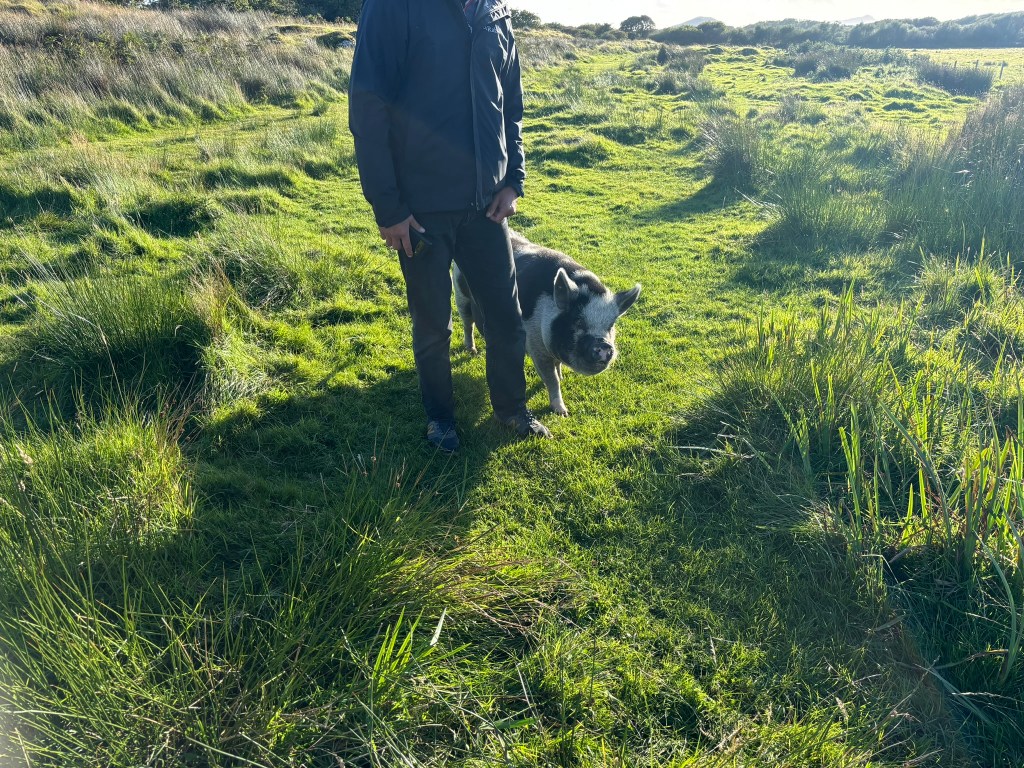
From here it was a very short sail to Gigha: an unimaginative choice as I had visited last year, but then it was for one night and it was raining. It rained this year too, but we gave the rain a chance by being there for a day and a half as the wind shifted round to the South and blew hard for 24 hours. So hard in fact that we had to winch the boat close enough to the pontoon to get off, and the rope I did the winching with was down to one strand by the end of its ordeal.
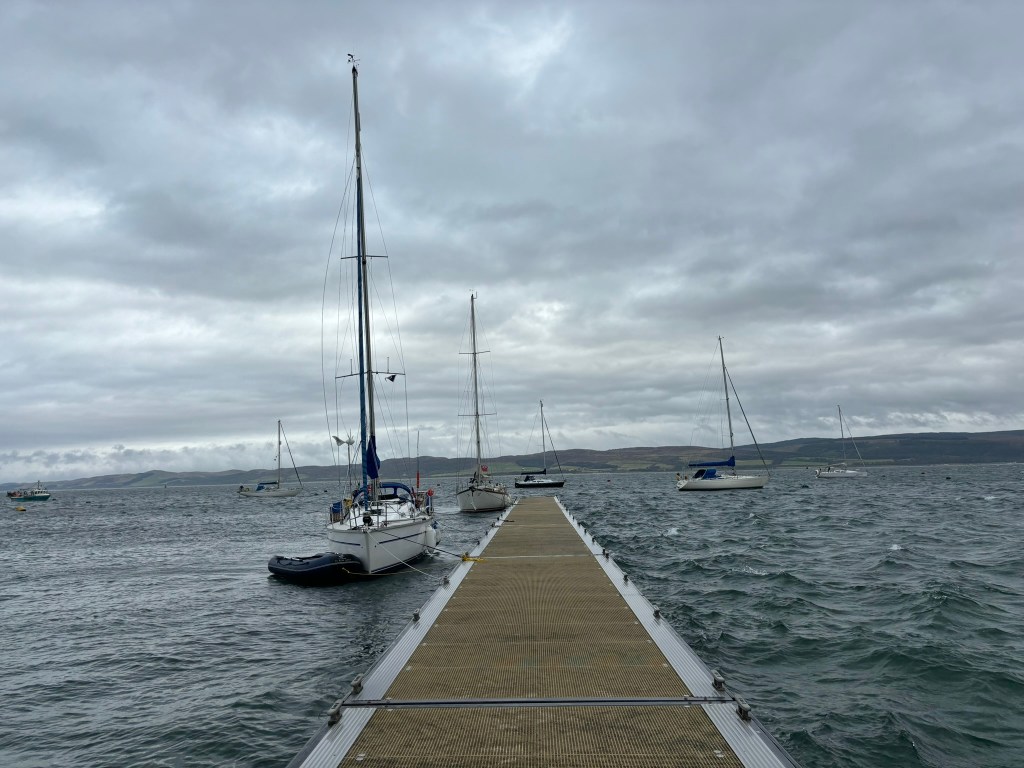
Gigha turned out to be a good place to sit out the wind though: I’d managed to book the tiny Boathouse Restaurant which had turned us away last year where there was excellent seafood and entertaining company with half islanders and half visitors.
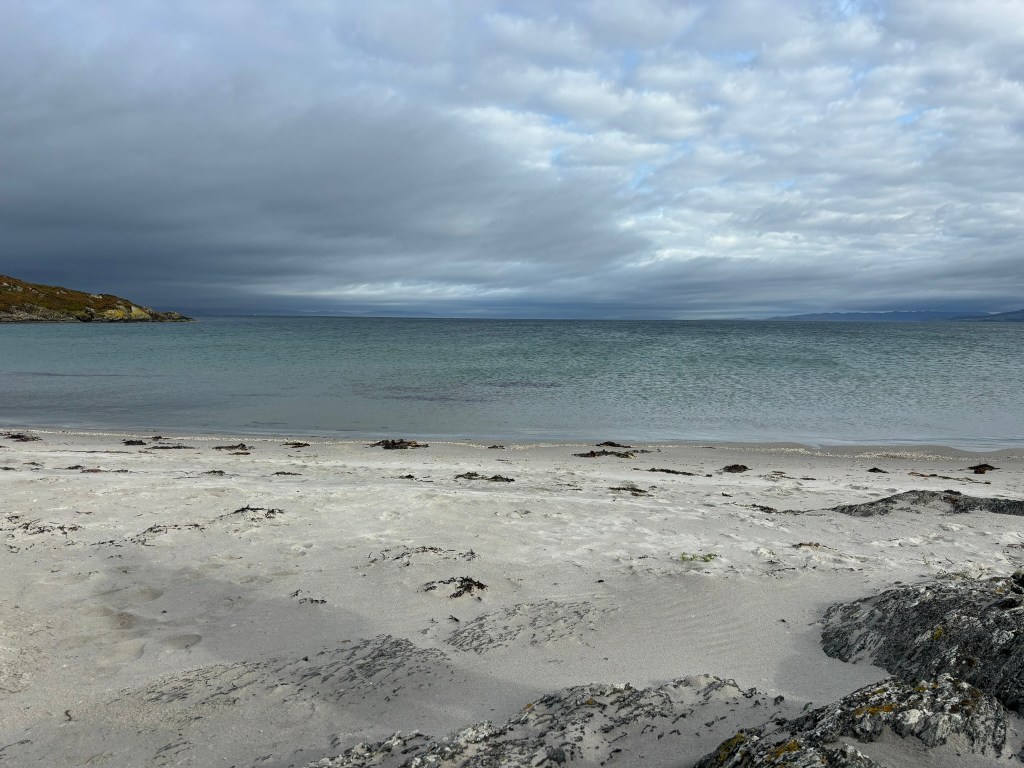
We hired bikes and cycled around the island; luckily it is much smaller than the Isle of Man at only five miles long so my pain of trying to keep up with Roger was brief. It’s also very pleasant and its population of 170 (nearly doubled since it became one of the first community buy-outs in 2002) tries hard to make it interesting for visitors: there are white sandy beaches on every side…
…more cows than all the other Hebrides put together…
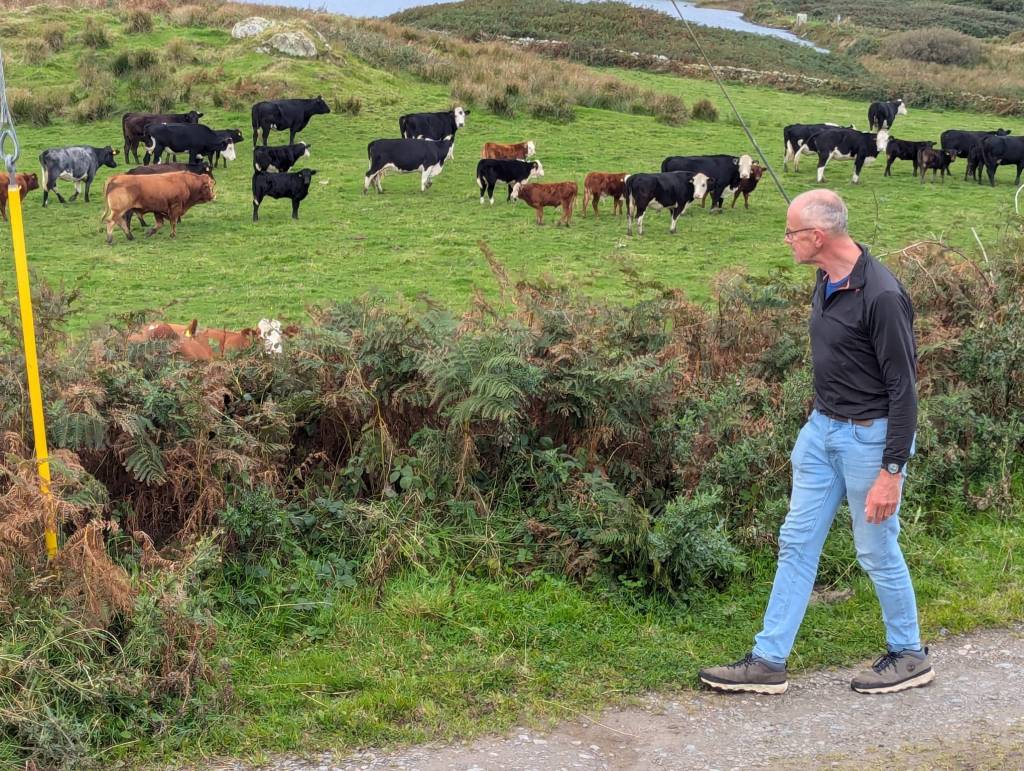
I prefer pigs.
…fabulous gardens featuring rhododendrons planted by Mr Horlicks with the proceeds of cornering the market in bedtime drinks…
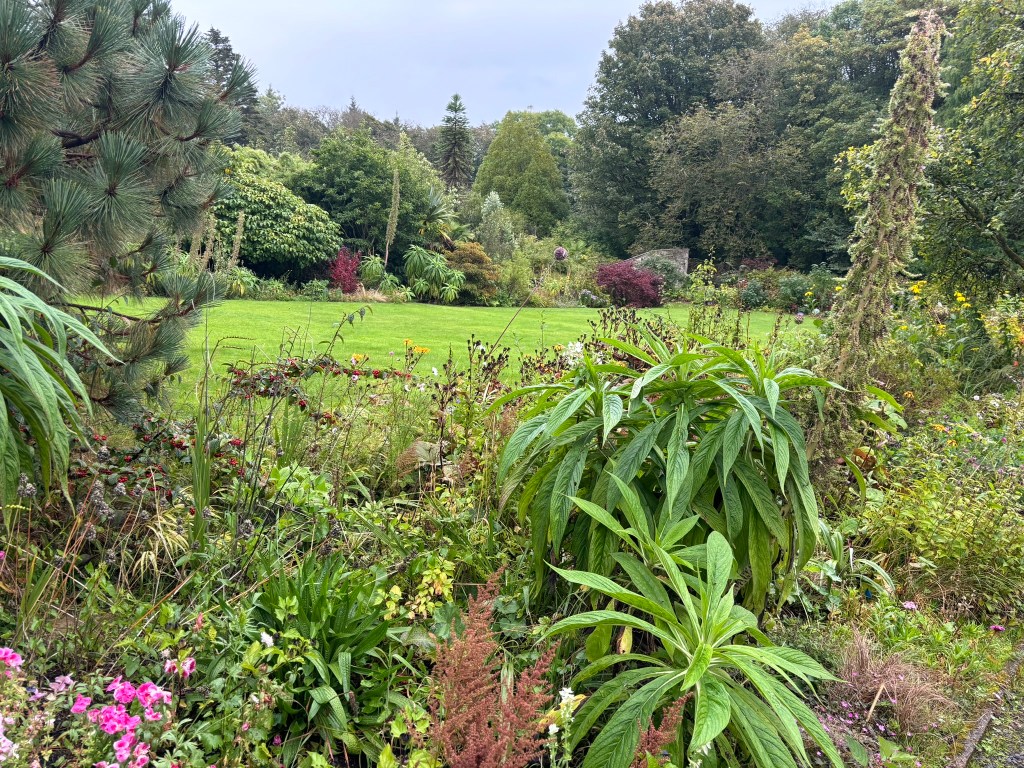
…and various bits of rock and holes in the cliffs which the islanders have imaginatively given names to such as ‘Giant’s Tooth’ and ‘Fisherman’s Cave’ to encourage tourists to walk or cycle to them, thereby working up an appetite to eat their local produce in the café, the island shop or the bizarre ‘Nook Seafood Takeaway’.
All of these are interesting experiences: the café is run by the Wee Isle Dairy whose ice cream Tim and I had sampled last year and it is, if such a thing is possible, better than Maud’s in Northern Ireland; The Nook is a tiny hatch on the side of the shop run by the son of the shopkeeper who used to run the Boathouse but now seems to make an adequate living by cooking seafood on two gas rings in a shed.
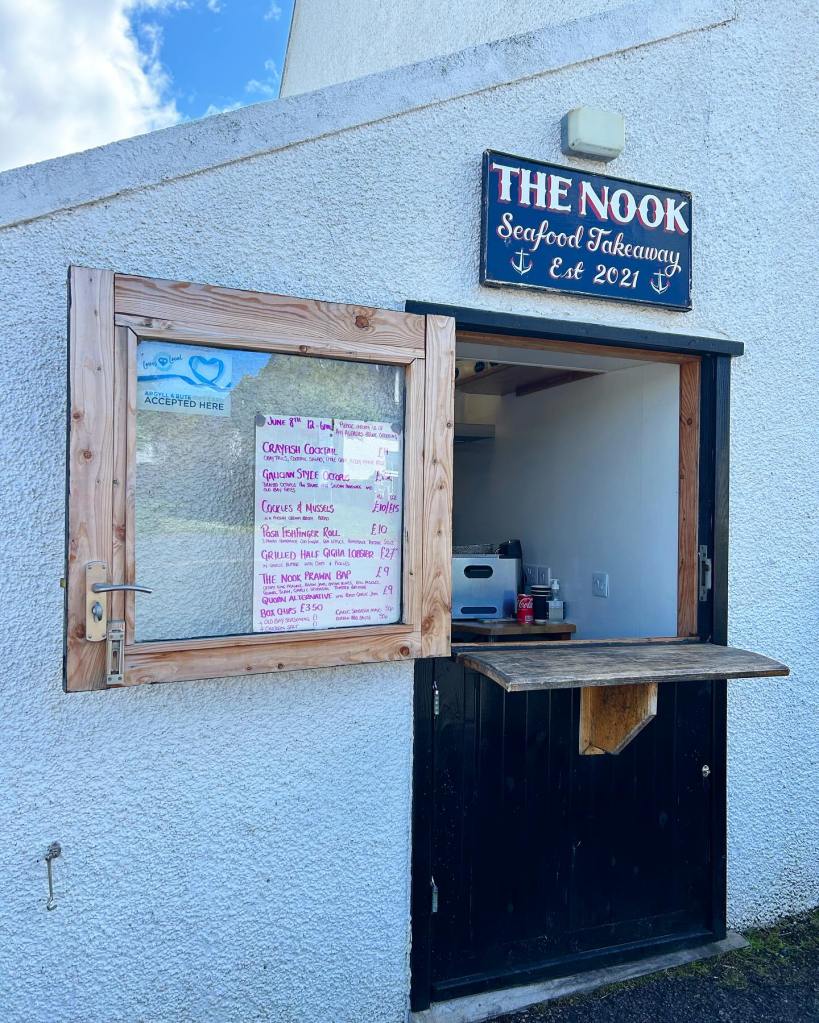
They had both been in the Boathouse the night before, so clearly no hard feelings, and Mrs Nook told us that they serve around 150 people on a typical day in the season, in spite of only being open for a few hours, so I suspect there was something in the work/life balance that caused the change. And finally the wonderful shop which stocked everything from seven kinds of scones to twenty kinds of whisky to the Saturday FT. When we asked for eggs, Mrs Shop sent her granddaughter out to collect them from the henhouse; when we mentioned the sign for oysters she offered to “call Tony and tell him to go and get some”.
We dodged the rain by sitting in the café eating ice cream and then in the boat eating gigantic portions of scallops from The Nook and decided that it was worth a frayed rope to sit out a gale on such a hospitable island. It also has extraordinary 5G coverage which allowed us to watch Ben Ainslie & co doing a very different kind of sailing in very different conditions.
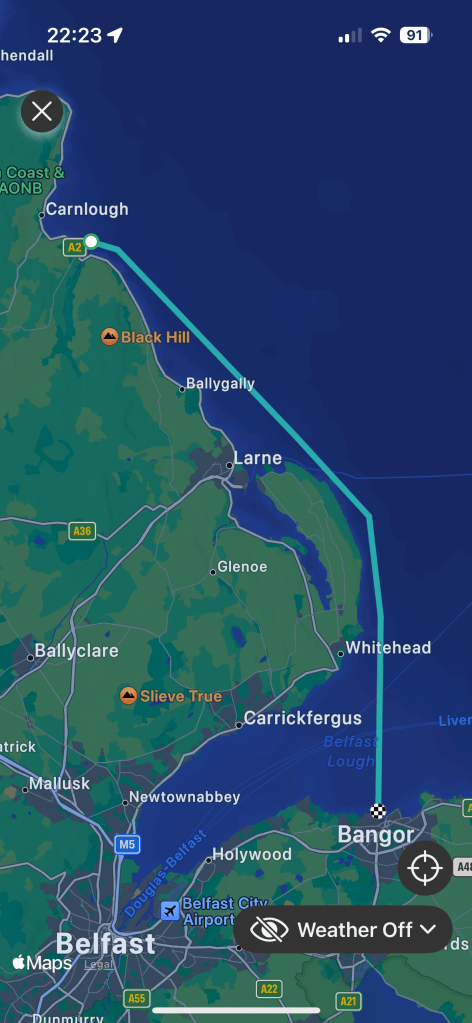
Last year Tim and I motored all day in a heat haze to Northern Ireland (The petrol-heads of Antrim); this year it was a chilly sail then motor sail then beat down the Kintyre peninsula, a reach across the shipping lanes and a spinnaker leg down to Glenarm on the other side, so pretty much every point of sailing in one day. As before, the contrast between the remoteness of Jura and Gigha and anywhere in Northern Ireland was quite something: although a small village Glenarm has a shop not owned by the community, two pubs and has even acquired a restaurant since my last visit, but the sight of roads connected to other roads with motorbikes and heavy lorries belting down them was something I hadn’t seen for a long time.
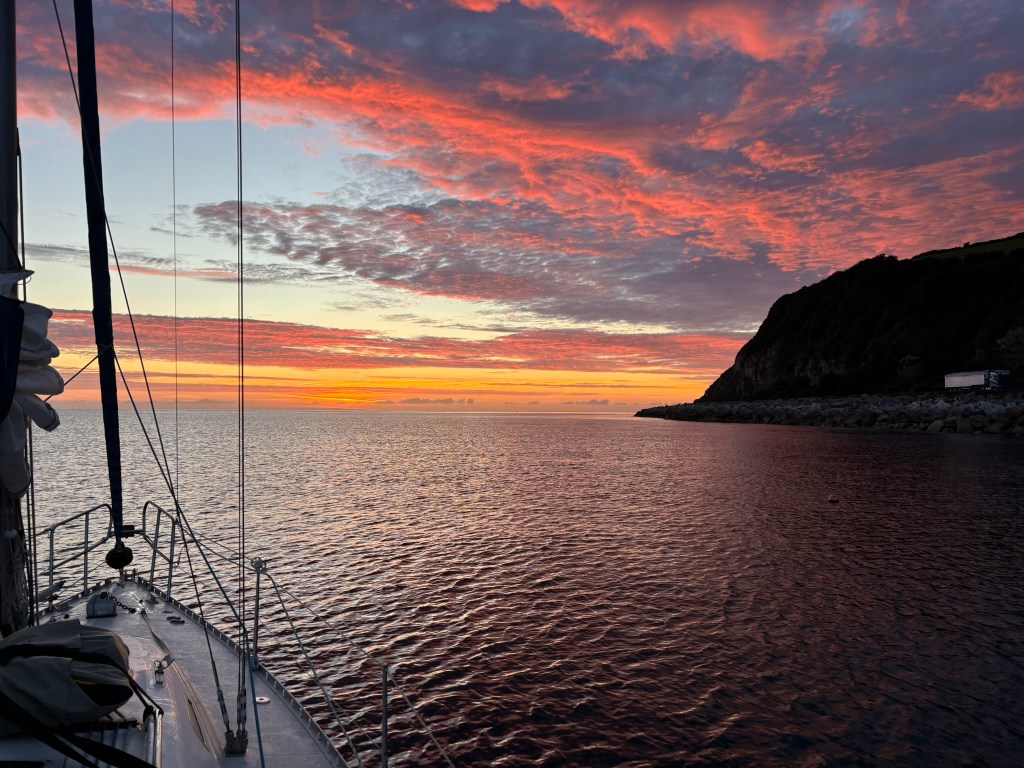
What Glenarm doesn’t have is a dedicated ice cream shop though, so it was another early start to catch the tide next day to complete Roger’s trip in Bangor, as we have discovered that Belfast is a very good airport from which to explore the Southern Hebrides by boat, and also a perfect excuse for my final trip to a Maud’s. However, much as everything else about Bangor was as I remembered it – well-heeled, friendly and ever so slightly loud – I have to say that the award for Best Ice Cream of the trip has just shifted from Ulster to Gigha and the Wee Isle Dairy. It’s just a little bit harder to find.

 Blue Moon's trip around the UK
Leave a comment